Does Sparkling Water Hydrate You? The Short, Honest Answer
Does sparkling water hydrate you? Yes, and about as well as still water does. The bubbles are dissolved carbon dioxide sitting in ordinary water, so the fluid underneath them counts toward your day exactly like tap water. The one honest catch is behavioural rather than physical: fizz makes some people feel full, so they drink less of it.
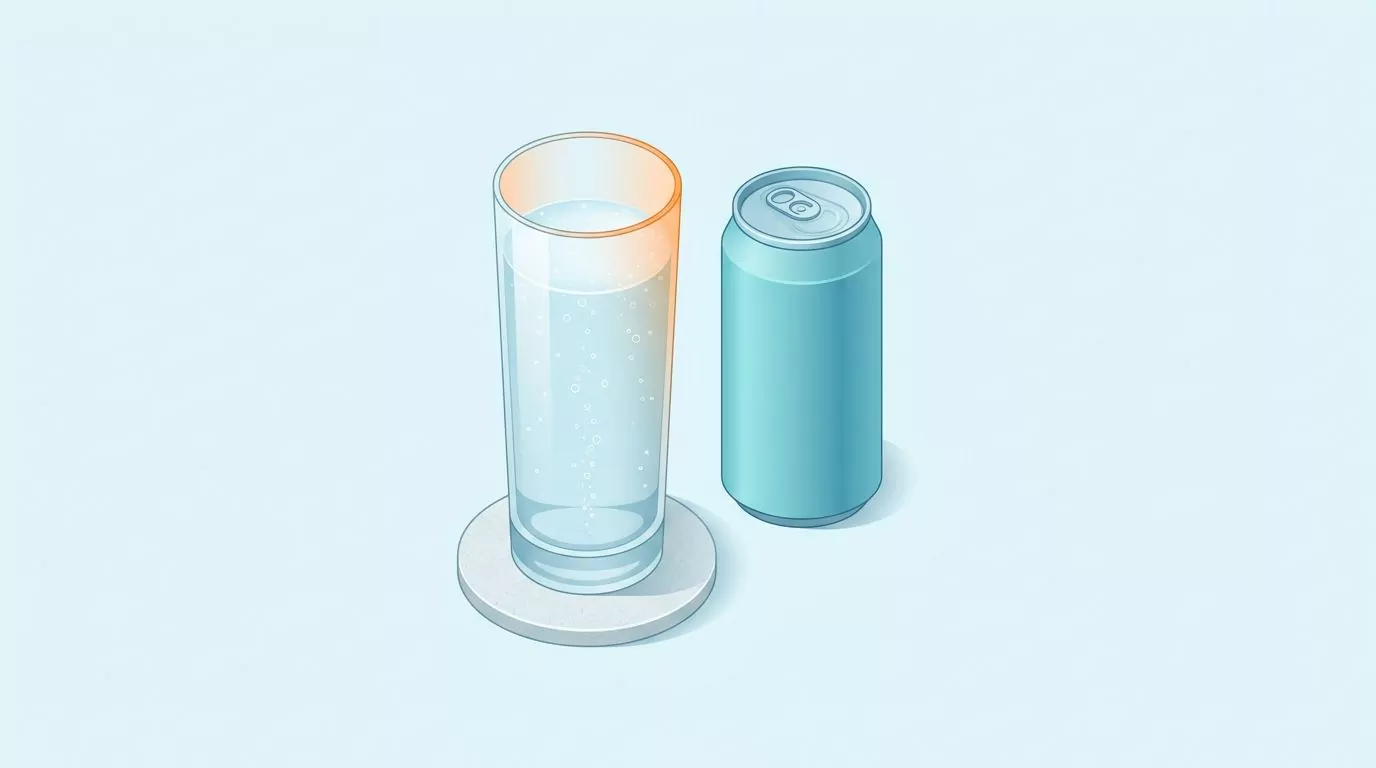
The short answer: does sparkling water hydrate you the same as still water?
Sparkling water is water. Carbonating it means pushing carbon dioxide gas into the liquid under pressure and sealing it, so the gas stays dissolved until you open the can. Nothing gets taken out. No barrier to absorption gets added.
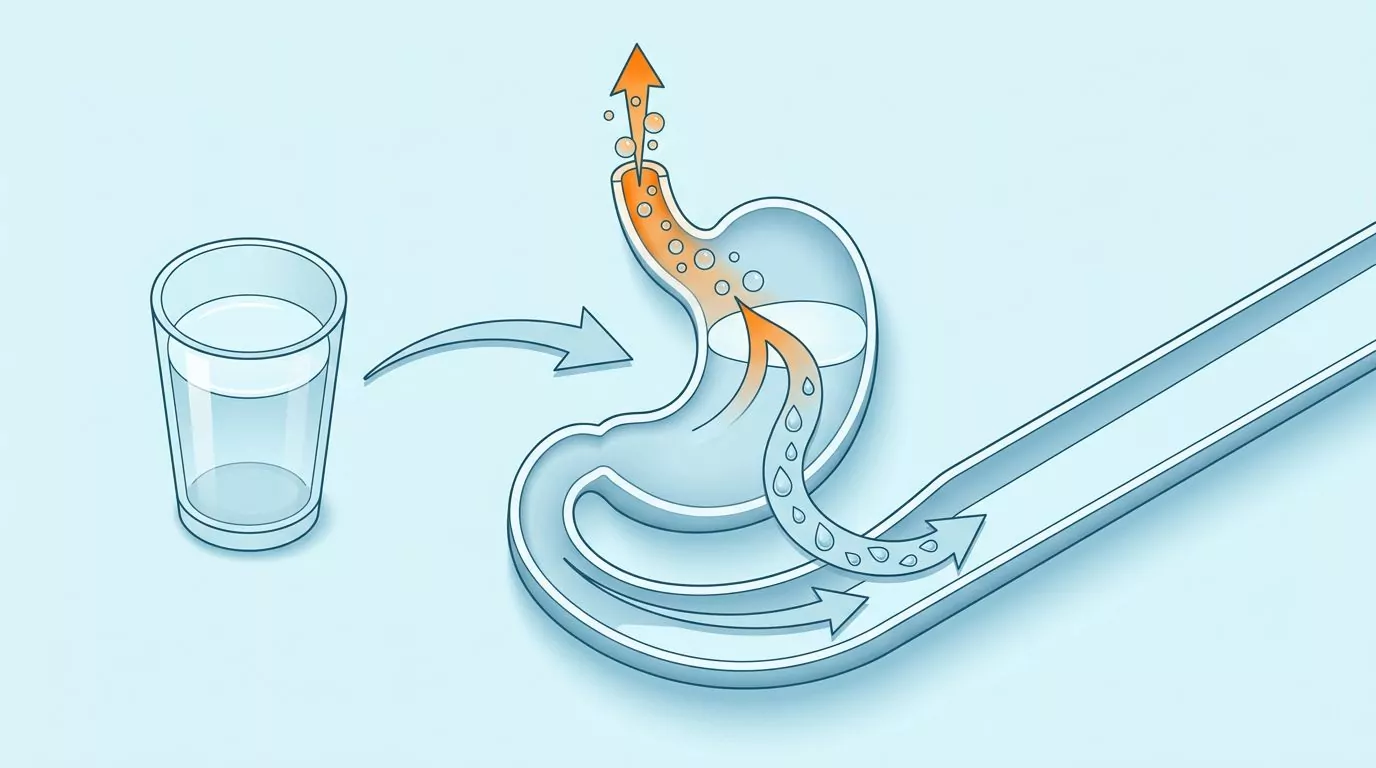
Once you swallow it, your gut treats the fluid the way it treats any other water. The carbon dioxide leaves the liquid as gas, most of which you burp back up. The water carries on and gets absorbed.
So yes, sparkling water is hydrating, and carbonated water counts as water intake. If a cold can of seltzer gets you drinking at three in the afternoon instead of nothing, that is a win.
Two questions are worth keeping apart. Whether a drink hydrates you is about your body. Whether you finish it is about your habits. Sparkling water passes the first test easily. The second is where it gets interesting.
What carbonation actually does
Three things change when you add bubbles to water. None of them is the amount of water.
- The fizz itself. Gas comes out of solution as the drink warms and the pressure drops. That is the tingle, and for most people it is the whole appeal.
- A slight tang. Dissolved carbon dioxide forms a little carbonic acid, so sparkling water is slightly more acidic than still. Plain seltzer is still far gentler than a soft drink or orange juice.
- Gas in your stomach. Some carbon dioxide arrives as free gas. Most of it comes straight back up as a burp. For some people it also means bloating or a feeling of pressure.
What does not change is the volume of fluid you drank. A 330 ml can of plain sparkling water delivers 330 ml of water, the same as a 330 ml glass poured from the tap.
Cleveland Clinic makes the same point and adds the sensible caveat: if bubbles reliably leave you uncomfortable, go back to still water. That is a comfort decision, not a hydration one.
Where the "just as hydrating" claim comes from
Most pages assert that sparkling water is just as hydrating and move on. The evidence is worth a paragraph, because it shows what the finding covers and what it does not.
Researchers built a measure called the beverage hydration index. It compares drinks by how much fluid people hold on to in the hours after finishing a fixed volume, with still water as the baseline. Carbonated water came out level with still water. The NCBI research news summary of that work is a short read if you want the source.
Take it for what it is: a controlled comparison over a few hours in healthy adults, not a ruling on every person or situation. It is enough to settle the everyday question, which is whether the bubbles cost you fluid. They do not.
Plain, flavoured, tonic and club soda are not the same drink
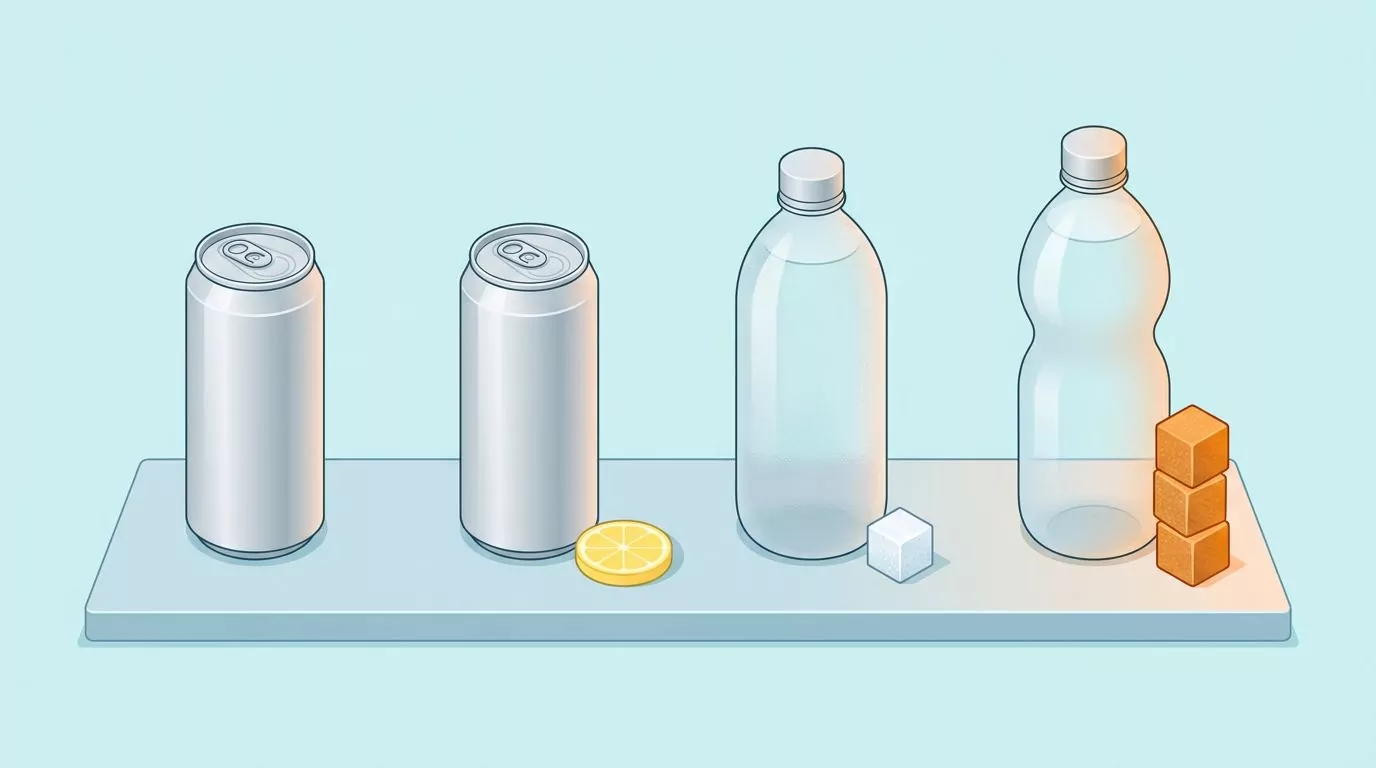
"Sparkling water" is a label stretched across several drinks that behave quite differently once you look past the bubbles. As fluid, all of them count. As drinks, they are not interchangeable.
| Drink | What is in it | Does it count as water intake? | Worth knowing |
|---|---|---|---|
| Plain sparkling water or seltzer | Water and dissolved carbon dioxide. Nothing else. | Yes | The default. Nothing to weigh up. |
| Flavoured sparkling water | Water, carbon dioxide and natural flavours. Usually no sugar. | Yes | Check the label once per brand. Citric acid makes it more acidic, which matters for teeth rather than hydration. |
| Sparkling mineral water | Spring water with naturally dissolved minerals, carbonated naturally or at the plant. | Yes | Sodium levels vary widely between brands. Worth a look if you keep an eye on salt. |
| Club soda, also sold as soda water | Carbonated water with added minerals such as sodium bicarbonate. | Yes | Tastes faintly salty next to seltzer. Same fluid, a little more sodium. |
| Tonic water | Carbonated water with quinine for the bitter note, plus added sugar in the standard version. | Counts as fluid, but treat it as a soft drink | The sugar is the reason. Slimline versions swap it for sweeteners. |
The short version: if the ingredients are water and carbon dioxide, drink it and stop thinking about it. If there is sugar in it, you are drinking a soft drink that happens to be fizzy, and it is more useful to file it that way.
The one real catch: you may drink less of it
Here is the caveat that actually deserves your attention, and it has nothing to do with absorption.
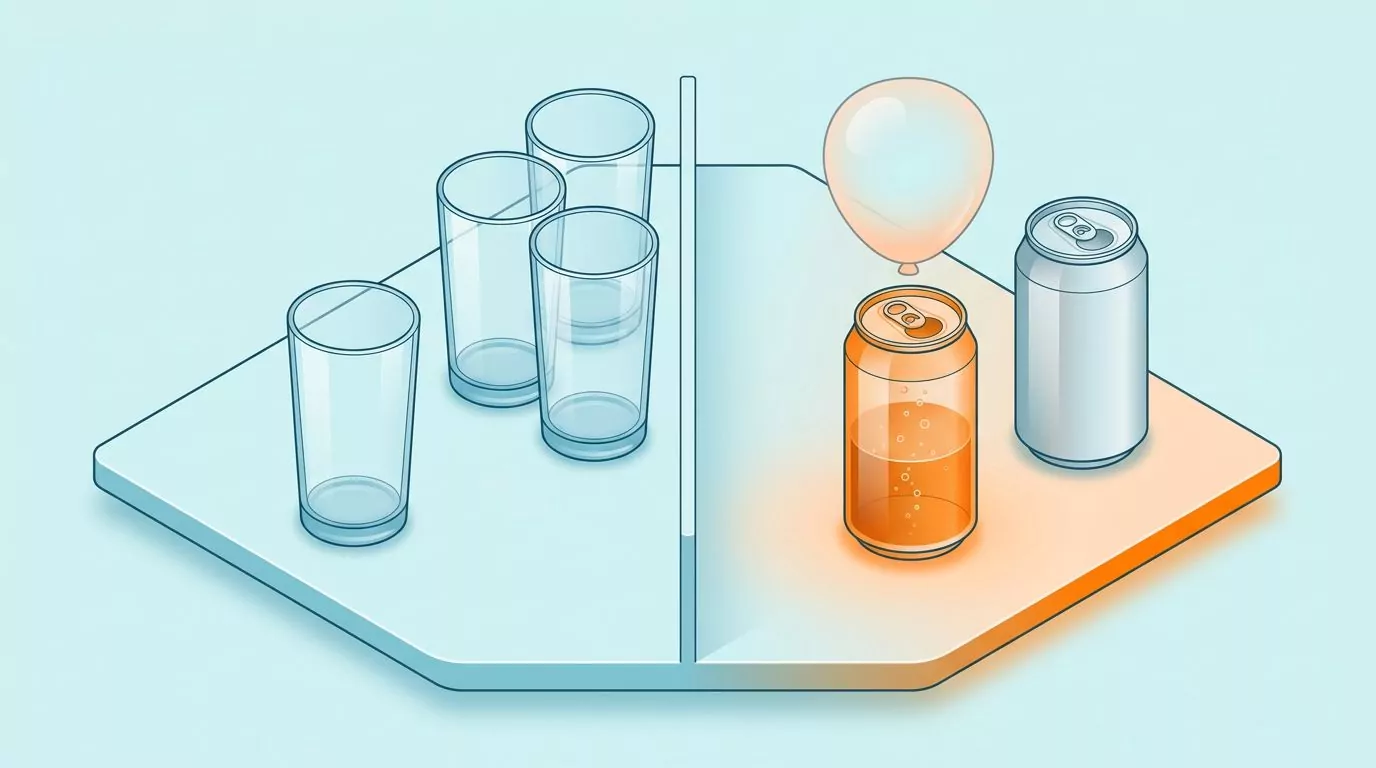
Carbonation adds gas to your stomach, and gas takes up room. Plenty of people notice they feel full sooner on sparkling water than on still. Feeling full sooner tends to mean putting the glass down sooner.
Packaging pushes the same way. A can is usually 330 ml. The glass you fill at the tap is often bigger, and you refill it without thinking. Four cans across a day is less fluid than most people assume.
None of that makes sparkling water a worse drink. It just means the honest comparison of sparkling water vs still water is about how much you get through, not about what your body does with it.
Two habits fix it without any effort:
- Alternate. Keep still water as the background drink and let sparkling be the one you look forward to.
- Count the container, not the vibe. A can is 330 ml whether it felt like a lot or a little.
If bubbles regularly leave you bloated or uncomfortable, that is reason enough to drink fewer of them, and a persistent problem is worth raising with a healthcare professional rather than solving with a blog post.
Where a can of sparkling water fits in a normal day
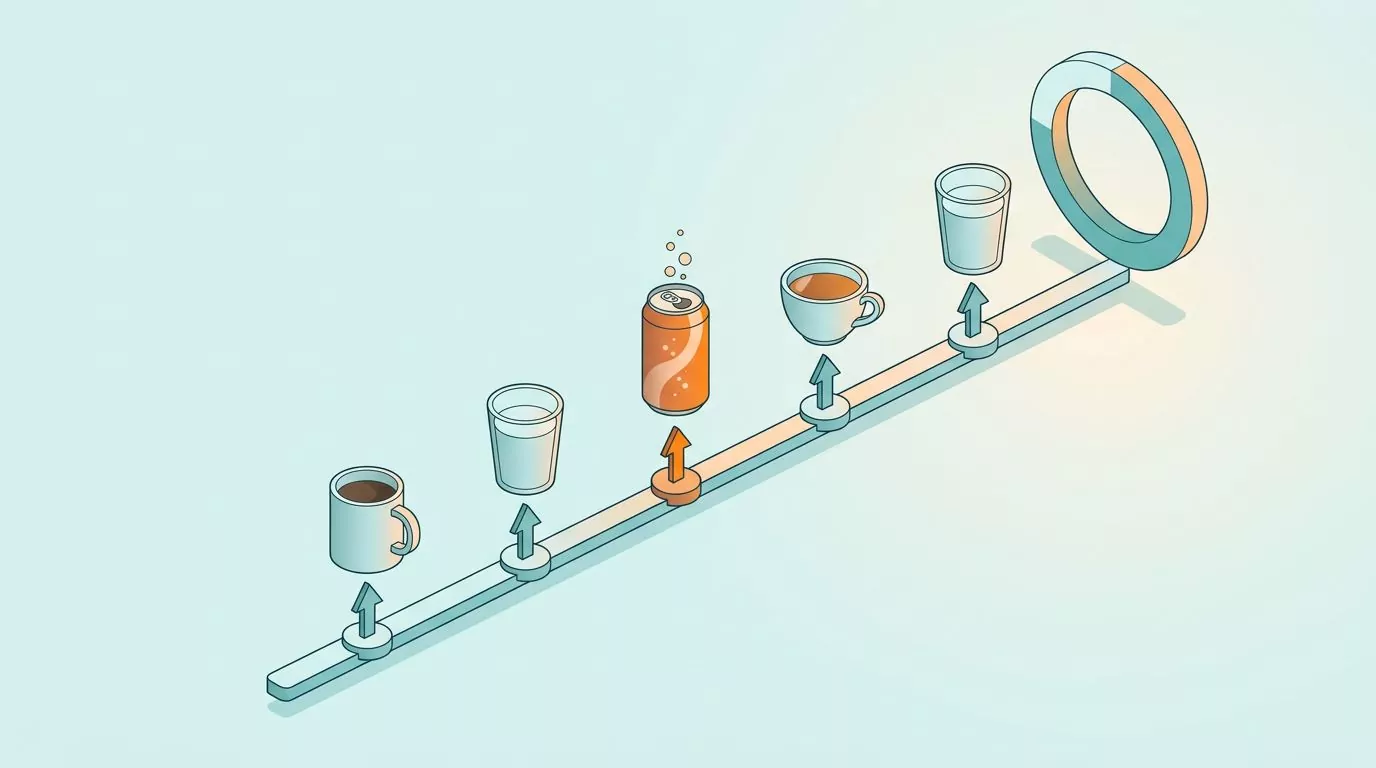
Your daily fluid does not arrive as eight identical glasses of tap water. It comes from everything you drink and a decent share of what you eat. Harvard's Nutrition Source page on water makes the same point: there is no single number that fits everyone, and needs shift with heat, activity and body size.
That is good news for anyone who likes fizz. A can of seltzer is not a treat you have to earn on top of your real water. It is part of the total.
Practically, most people do fine going by thirst and by habit: something with breakfast, something at their desk, something with dinner. Sparkling water slots into any of those without an asterisk.
How to log sparkling water if you track your intake
If you use a tracker, the rule is short: log it as water, at the volume you actually drank.
That is where people trip up. They guess the amount, or they skip fizzy drinks entirely because they are unsure whether seltzer is hydrating enough to count. Both habits make the day's total less useful.
- Read the can or bottle. 330 ml, 500 ml, 12 oz. The number is printed on it.
- Log that number, not a rounded guess.
- Log it in the moment. Sparkling water is the drink people most often forget to record, because it feels like a snack rather than a glass of water.
Water Goose has a sparkling drink type sitting alongside water, coffee, tea and the rest, so a can counts toward your daily goal instead of going unrecorded. The goal itself comes from a few basics like age, height and weight, and you can adjust it if the suggestion does not suit you.
The history stays on your phone. There is no feed, no leaderboard and nobody else looking at your week. It is a calendar of totals, which is roughly the amount of hydration analysis a normal person needs.
Frequently Asked Questions
Does sparkling water dehydrate you?
No. Nothing in plain sparkling water pulls fluid out of you. The idea comes from lumping all fizzy drinks in with caffeinated or sugary sodas. Plain seltzer is water and carbon dioxide, and it hydrates you like water. The only way it leaves you short is if the fullness stops you drinking as much as you otherwise would.
Is sparkling water bad for your teeth?
Plain sparkling water is only slightly acidic, and the American Dental Association's guidance on sparkling water and teeth treats it as fine for most people and far better than sugary drinks. What raises the risk is added citric acid in flavoured versions, sipping all day long, and letting sparkling water replace fluoridated tap water completely. A dentist is the right person to ask about your own teeth.
Does tonic water count as water intake?
As fluid, yes. As a habit, treat it like a soft drink rather than like water, because standard tonic carries added sugar along with the quinine that gives it the bitter edge. Club soda and plain soda water are a different story: they are carbonated water with a few added minerals, so they count as water without the caveat.
Can sparkling water replace still water entirely?
It can, and for plenty of people it does. Most end up mixing the two anyway: cans cost money and make packaging, and constant bubbles are uncomfortable for some stomachs. Still water as the default and sparkling as the drink you enjoy is the easier arrangement to keep up.
Is flavoured sparkling water as hydrating as plain?
Yes, as long as it is genuinely flavoured water rather than a sweetened drink. The flavouring is present in tiny amounts and does not change how the fluid is absorbed. Check the label once for added sugar, and if the answer is none, log it as water and move on.
The takeaway
Sparkling water hydrates you. Carbonated water counts as water intake. The bubbles change the experience, not the physiology, and the only thing worth watching is whether the fullness quietly cuts how much you get through in a day.
If you would rather stop doing this arithmetic in your head, that is the whole point of tracking. Water Goose is on the App Store for iPhone and on Google Play for Android, with a sparkling drink type built in and a history that stays on your phone. Take a look at the app if a calmer version of this sounds useful.