Does Tea Count as Water Intake? Yes, and Here Is Why
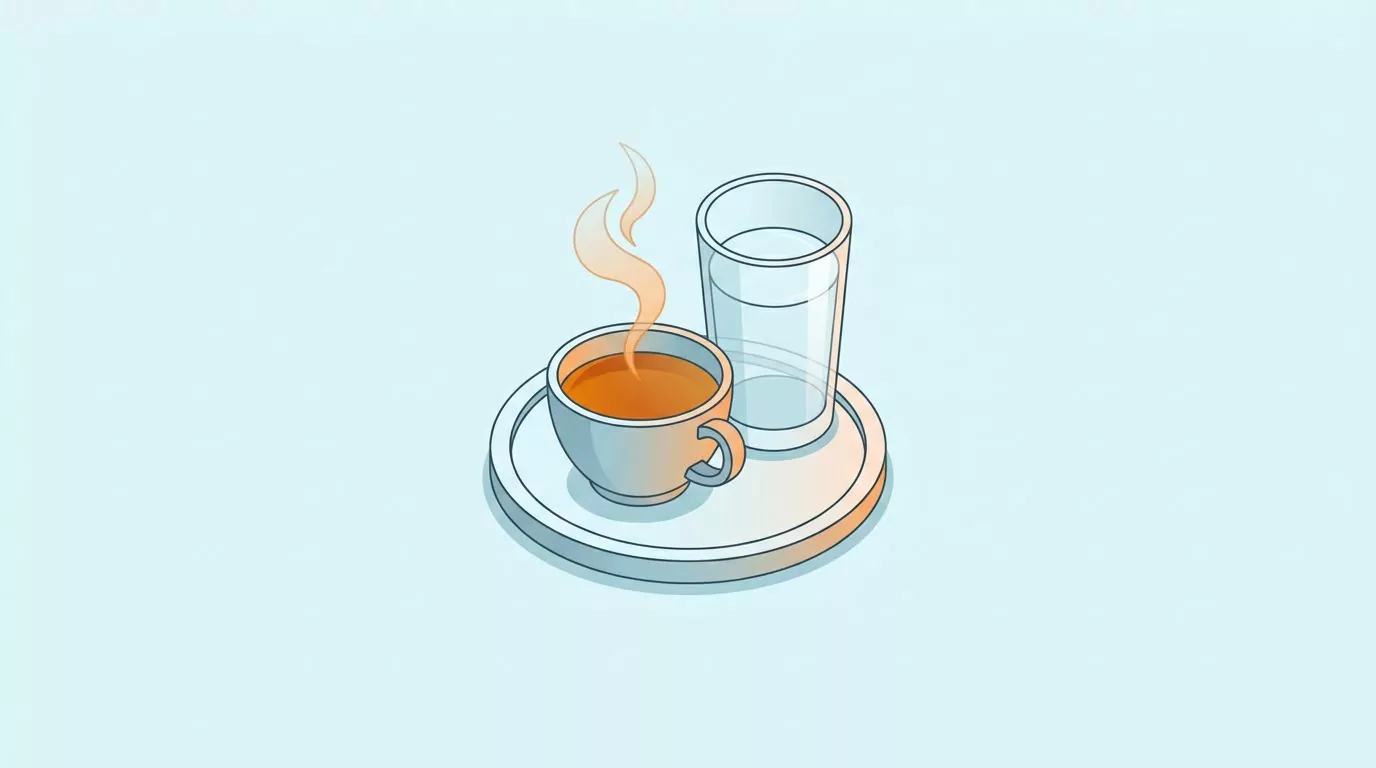
Yes, tea counts as water intake. A brewed cup is almost entirely water, and the small amount of caffeine in a normal cup does not cancel that out. Black, green and herbal tea all add to your daily fluid total. Log the cup you actually drank, not a discounted version of it.
The short answer: yes, tea counts as water intake
Tea is water with flavour in it. Steeping leaves in hot water changes the taste, the colour and a few milligrams of caffeine. It does not change the fact that you just drank a cup of liquid.
Health bodies treat it that way too. The NHS lists tea and coffee among the drinks that count toward the 6 to 8 cups of fluid a day it suggests for adults. Sugar-free tea sits on that list without an asterisk.
So where does the doubt come from? Caffeine sends some people to the bathroom a little sooner, and that feels like losing fluid. Feeling it and ending up in deficit are two different things.
The caffeine question: is tea a diuretic?
Caffeine does have a mild diuretic effect. The honest version of the answer is that the effect is real, small, and far too small to leave you worse off after a cup of tea.
The clearest evidence comes from a randomised controlled trial in the British Journal of Nutrition. Ruxton and Hart gave men four or six mugs of black tea a day, then compared them against the same volume of plain water. The conclusion is in the title: black tea is not significantly different from water for keeping people normally hydrated.
A 2014 crossover study in PLoS ONE ran the same test on coffee, which carries roughly double the caffeine of black tea. It found no evidence of dehydration at four cups a day. If coffee lands level with water, tea is not the drink to worry about.
The numbers back that up. The FDA points to 400 mg of caffeine a day as an amount not generally linked to negative effects in healthy adults, and puts a 12 ounce serving of black tea at 71 mg. You would need a lot of mugs to get near the line, and even then the fluid arrives with the caffeine.
Caffeine by tea type, cup by cup
Not every tea brings the same caffeine, and two of the most popular options bring none at all. Here is the everyday range for a standard cup of about 240 ml, which is 8 fluid ounces.
| Tea type | Caffeine per cup | Counts as fluid | Worth knowing |
|---|---|---|---|
| Matcha | About 60 to 80 mg | Yes | You whisk and drink the whole powdered leaf, so the caffeine comes with it. |
| Black tea | About 40 to 70 mg | Yes | The strongest of the everyday brews, and the one used in the hydration trial. |
| Oolong tea | About 30 to 70 mg | Yes | Sits between green and black, and swings widely with the roast. |
| Green tea | About 20 to 45 mg | Yes | Lighter than black tea. The FDA puts a 12 ounce serving at 37 mg. |
| White tea | About 15 to 35 mg | Yes | Usually the gentlest of the true teas. |
| Rooibos | None | Yes | Not a true tea at all. Naturally caffeine free. |
| Herbal infusions | None | Yes | Chamomile, peppermint and hibiscus use no tea leaf, so there is no caffeine. |
Treat those as ranges rather than readings. Leaf grade, water temperature and how long you steep all move the number, sometimes by half again. Two people brewing the same teabag can end up several milligrams apart.
The practical takeaway is short. Every row in that table counts as fluid, and the two caffeine-free rows settle the question of whether herbal tea counts as water intake before it starts.
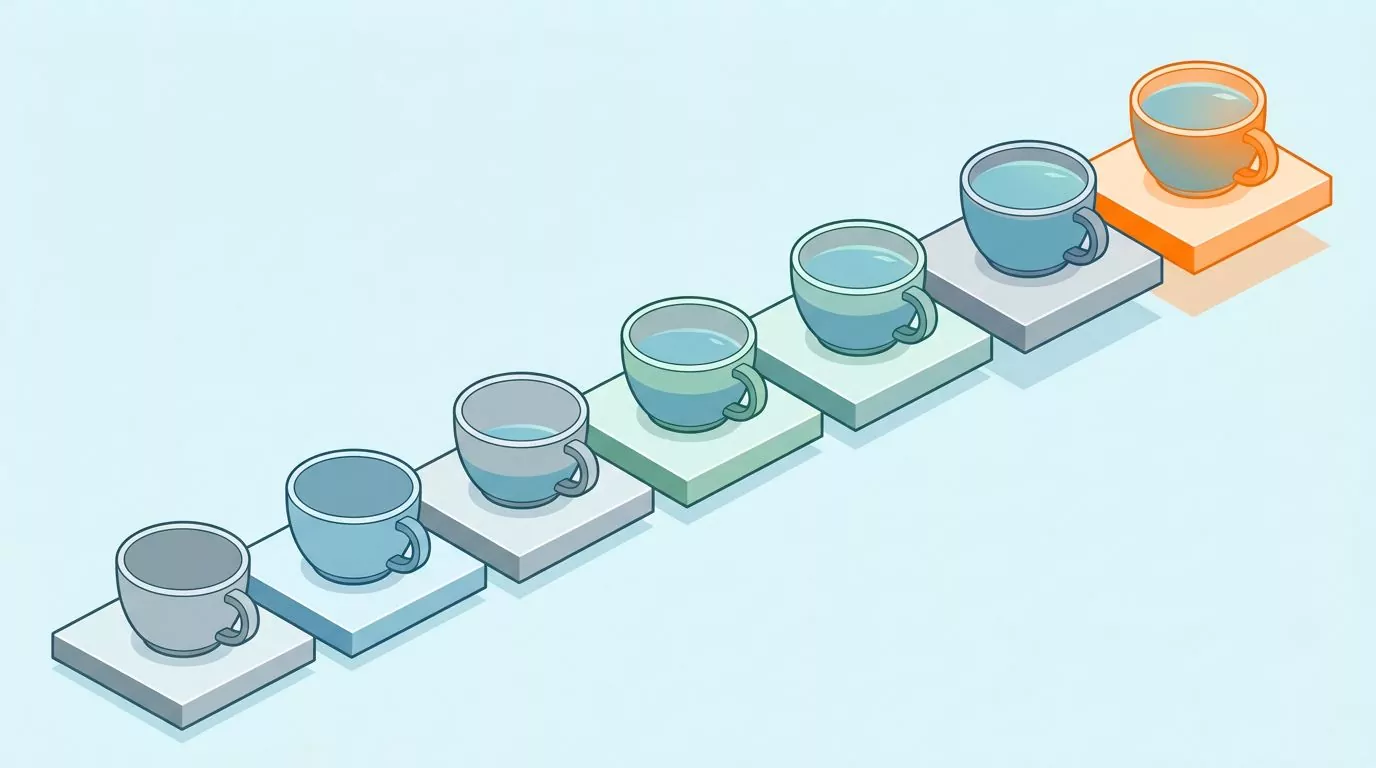
How many mugs of tea add up to a glass of water
Here is the part almost nobody mentions. Tea is as hydrating as water, but a mug is smaller than a glass, so cups add up more slowly than people assume.
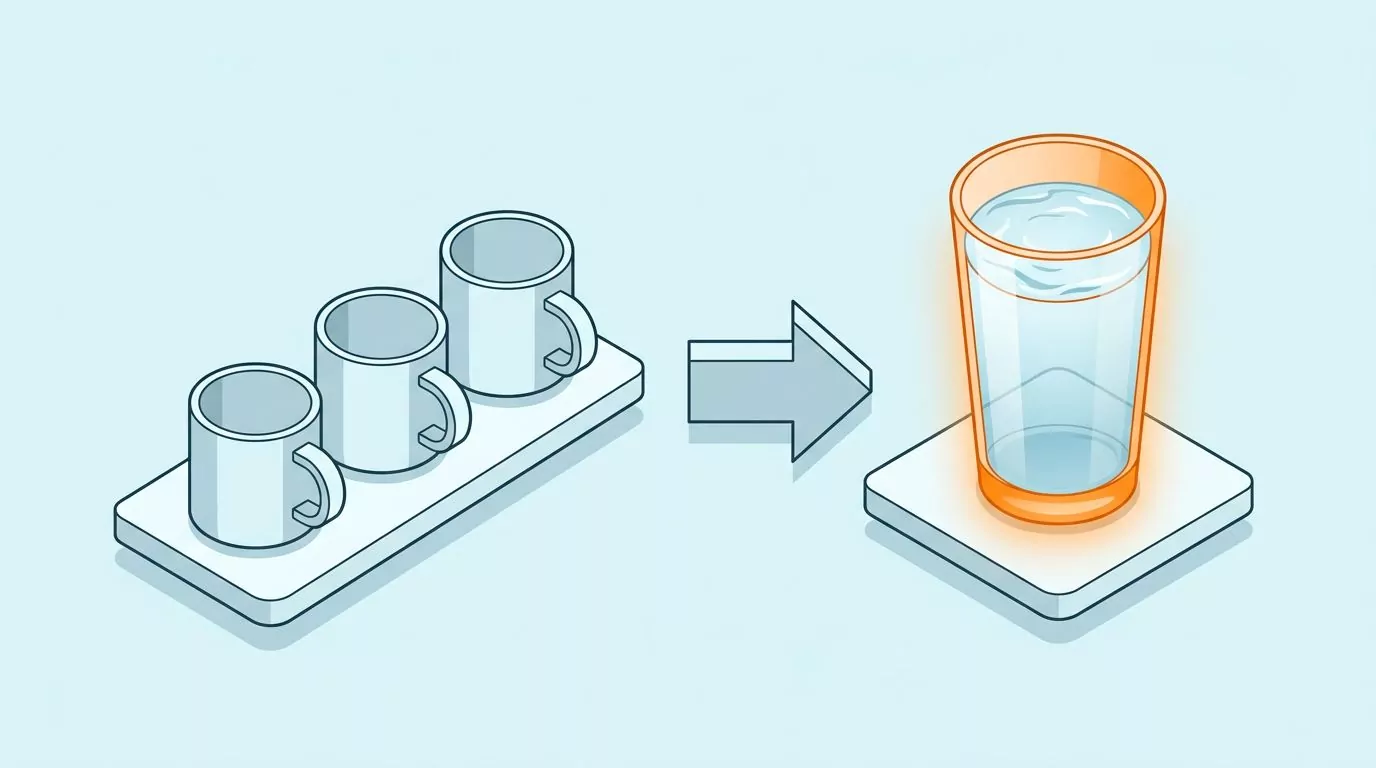
A home mug usually holds around 240 ml, and you fill it to just under the rim, so call it 220 ml of actual tea. A tall drinking glass holds roughly 350 ml. That gap is where the intuition goes wrong.
Run the arithmetic. Three mugs of tea come to about 660 ml, which is just under two large glasses of water. Four mugs across a working day is about 880 ml, or two and a half glasses.
Against the NHS suggestion of 6 to 8 cups of fluid a day, a solid tea habit gets you a good way in without finishing the job. That is not an argument against tea. It is an argument for knowing what your mug actually holds.
Iced tea and sweet tea are a sugar question, not a hydration one
Cold tea hydrates exactly like hot tea. Chilling a brew does not change what is in it, so unsweetened iced tea behaves like water with flavour.
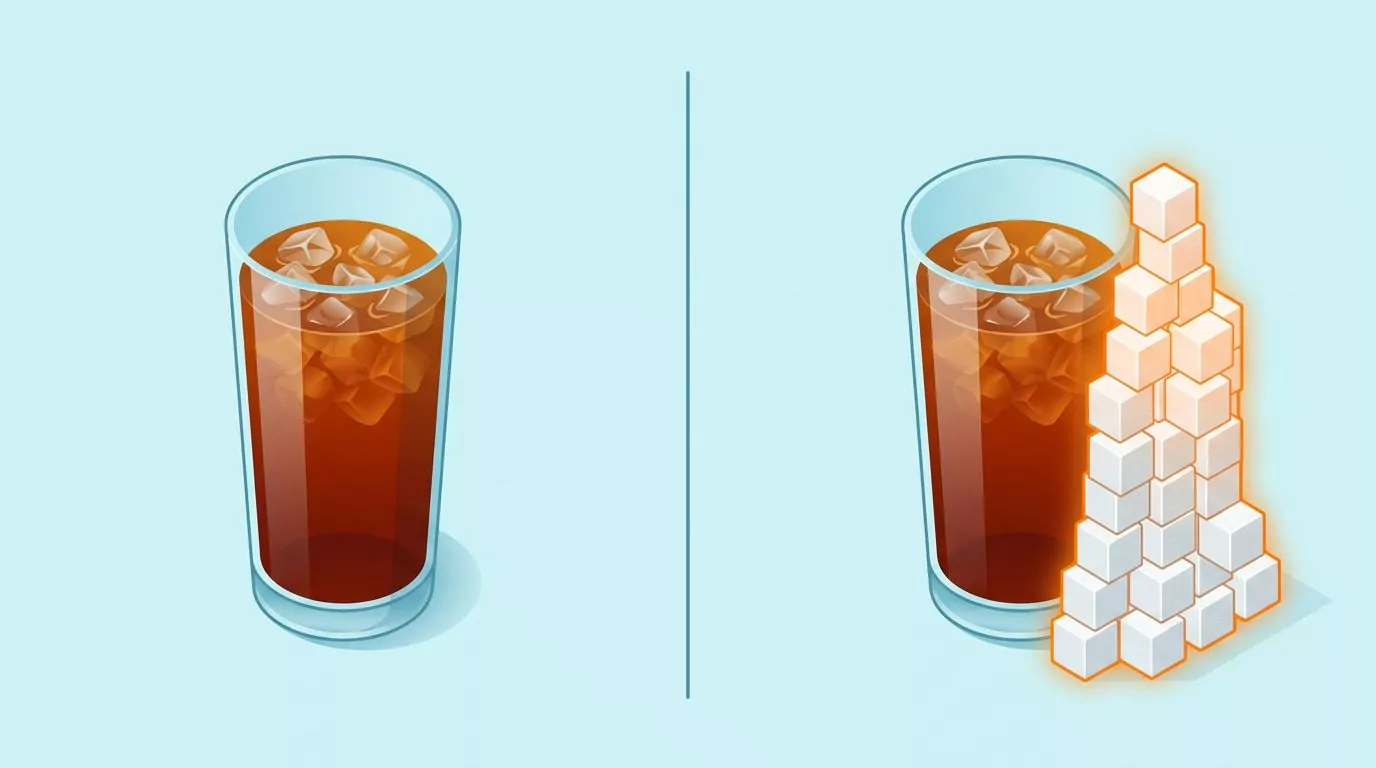
The real story with iced tea is what gets stirred in. Bottled iced tea and restaurant sweet tea often carry a serious amount of added sugar, sometimes closer to a soft drink than to a brewed cup.
The NHS is blunt about sugary drinks: they are higher in calories, and the sugar damages teeth. None of that stops the liquid counting as fluid. It just means the drink is doing two jobs, and only one of them is hydration.
If you brew a jug at home and chill it, you get the fluid without the sugar question. If you buy it, glance at the label first. Either way, log it.
Where tea is different from water
Tea and water are equal on fluid. They are not identical drinks, and four differences are worth knowing.
- Milk and sugar ride along. A milky, sugared mug brings calories that plain water does not. The fluid still counts in full.
- Tannins affect iron absorption. Tea contains tannins, which reduce how much non-heme iron your body takes from a meal. Harvard's nutrition team notes this, and drinking tea between meals rather than alongside them sidesteps most of it.
- The vessel is smaller. A mug is not a glass, as the arithmetic above shows. This is the single biggest reason tea drinkers underestimate their own gap.
- You drink it slower. Hot tea is sipped over twenty minutes. A glass of cold water can go down in one go, which is why water is still the faster tool when you are behind.
None of that makes tea a lesser drink. It makes tea a drink with a few footnotes, and the footnotes are about sugar and iron rather than hydration.
One plain caveat: if you have a specific health reason to watch your fluid or caffeine, that is a question for a doctor or a dietitian rather than an article.
How to log tea without doing conversions in your head
There is a habit worth dropping. Some people log tea at a discount, knocking off a fifth for the caffeine, as if the cup were only partly real.
Nothing in the research supports that discount. The trials compared equal volumes of tea and water and found the same hydration markers. A cup of tea is a cup of fluid, full stop.
So log tea as tea, at the size you drank it. Water Goose has a Tea drink type sitting alongside water, coffee, sparkling drinks, smoothies, juice, milk, coconut drinks, sports drinks, lemonade, soda, energy drinks and soup. Pick the drink, set the amount, confirm.
Do yourself one favour first. Measure your favourite mug once, using a measuring jug and plain water, and write the number down. After that you are logging a real figure instead of a guess, every single time.
The other half of this is seeing the pattern later. Water Goose keeps a simple history calendar of daily totals and how often you met your goal, stored on your phone rather than in someone's cloud. Four mugs of tea and one glass of water starts to look like a shape, not a mystery.
Frequently Asked Questions
Does green tea count as water intake?
Yes. Green tea is mostly water and carries less caffeine than black tea, around 37 mg in a 12 ounce serving by FDA figures. It counts cup for cup, with no discount to apply.
Does herbal tea hydrate you?
Yes, and herbal tea has the simplest case of all. Chamomile, peppermint, hibiscus and rooibos contain no caffeine, so there is not even a small diuretic effect to argue about.
How many cups of tea equal a glass of water?
By volume, roughly three average mugs of tea equal two large glasses of water. There is no hydration penalty to apply on top of that, so volume is the only conversion you need.
Does tea dehydrate you?
No, not at normal intakes. A randomised trial of four to six mugs of black tea a day found hydration markers no different from drinking the same volume of plain water.
Is tea better than water for hydration?
No, and it does not need to be. On fluid alone the two are close enough to treat as equal, so tea wins only when it is the drink you will actually finish.
Does matcha count as water intake?
Yes. Matcha carries more caffeine than steeped green tea because you drink the whole powdered leaf, but it is still far below any level that would cost you fluid.
The bottom line on tea and hydration
Tea counts. Log the cup at its real size, keep an eye on what gets stirred into it, and stop mentally taxing your own mug for caffeine that never earned the penalty.
If you would rather not do that arithmetic in your head, that is exactly the job a tracker should take off you. Water Goose is a calm, no-nonsense hydration tracker on the App Store for iPhone and on Google Play for Android, with a Tea drink type built in and history that stays on your device. Hydration, without the lecture.