How Much Water Is Too Much? Where the Upper Limit Really Sits
How much water is too much? For most healthy adults the practical ceiling is roughly one liter an hour, because that is about what healthy kidneys can clear. Ordinary daily drinking, even on a thirsty day, sits nowhere near it. Overhydration is real, but it is uncommon, and hitting a sensible daily goal is not overdoing it.
The short answer: yes, but almost nobody gets there
Can you drink too much water? Yes. Overhydration is a real thing, and the state it creates has a name: hyponatremia, where the sodium in your blood gets diluted. The Merck Manuals describe it simply as taking in more water than the body loses.
Now the part the scary headlines skip. Merck notes that a young adult with normal kidney function would have to drink more than 6 gallons, about 23 liters, a day on a regular basis before intake outran what the kidneys can clear.
That is not one big glass more than usual. That is a bathtub. If you set an ambitious goal in a tracking app and now feel uneasy about it, the rest of this is mostly reassuring.
How much water is too much? Where the ceiling actually sits
The most useful number here is not a daily one. It is an hourly one.
Harvard Health puts it plainly: the kidneys can process about one liter of fluid per hour, and amounts above that, kept up over a number of hours, can be risky. That is the practical ceiling for a healthy adult.
So the limit is about pace, not just total. Three liters sipped across a whole day and three liters poured down in ninety minutes are two very different events for your body.
This is why "how much water is safe per day" is a slightly wrong question. Two people can drink the same amount and have very different days.
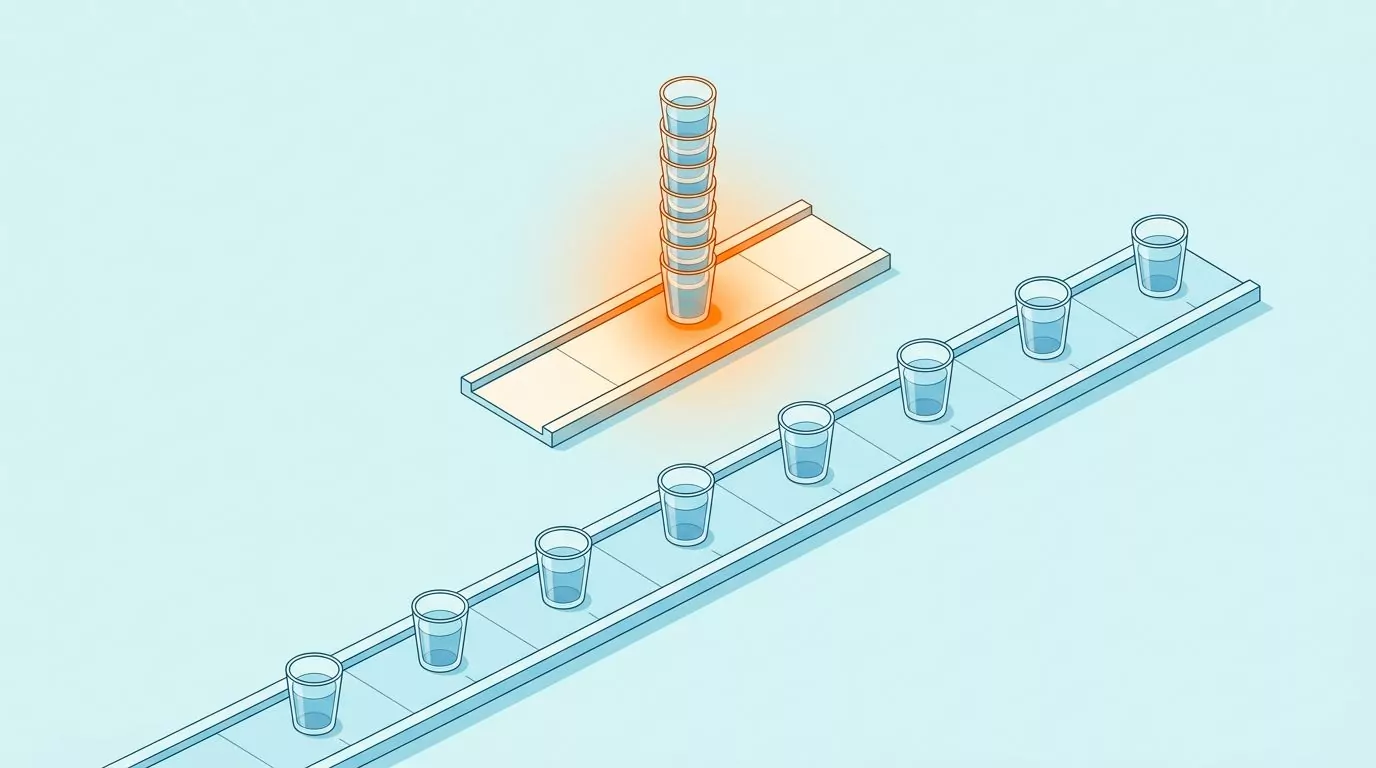
A heavy drinking day, measured against the ceiling
Numbers help more than warnings do. Here is what a genuinely heavy day looks like for someone who is trying hard to stay hydrated.
| What you drank | Roughly |
|---|---|
| Two coffees before lunch | 500 ml |
| A refillable bottle emptied twice | 1.5 liters |
| A glass with each of three meals | 750 ml |
| Tea in the evening | 250 ml |
| Day total | About 3 liters |
Three liters is a lot. Now put that day next to the ceiling.
| Measure | Rough figure |
|---|---|
| A heavy but ordinary day | About 3 liters across 16 waking hours |
| Average pace of that day | Under 200 ml an hour |
| Rough hourly processing ceiling | About 1 liter an hour |
| Sustained daily intake needed to outpace healthy kidneys | More than 23 liters a day |
The heavy day runs at roughly a fifth of the hourly pace healthy kidneys can handle. Against the sustained daily figure Merck gives, it is closer to an eighth.
That gap is what most anxious readers are missing. You are not standing near the edge at all.
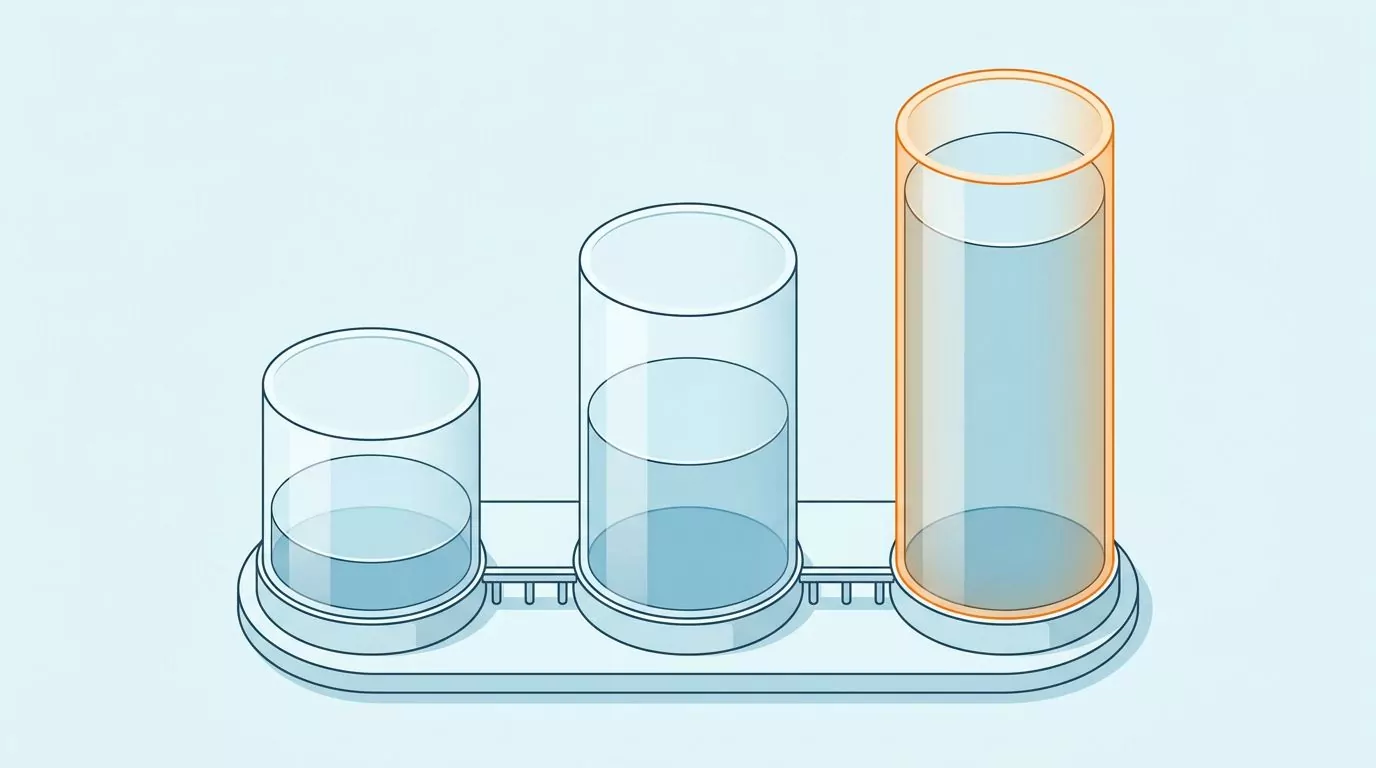
Is a gallon of water a day too much?
A gallon is the number the internet argues about, so it deserves a straight answer. One US gallon is 128 ounces, which is about 3.8 liters, or 16 cups.
Spread across sixteen waking hours, that works out at roughly 240 ml an hour. That is comfortably under the one liter an hour figure from Harvard Health. Pace is not the issue with a gallon.
The issue is that a gallon is simply more than most people need. Harvard's Nutrition Source cites National Academy of Medicine guidance of about 13 cups of beverages a day for men and about 9 cups for women. A gallon is 16 cups. It clears the bar and keeps walking.
So a gallon a day is not automatically too much for a healthy adult who spreads it out. It is just an arbitrary target dressed up as a rule.
If drinking that much feels good, carry on. If you are forcing the last few glasses in at 10pm to close a ring, you picked someone else's number.
The water you never drank: what food quietly adds
Here is the part the clinical pages skip, and it changes the arithmetic more than people expect.
About 20 percent of total water intake comes from food rather than from drinks, according to Harvard's Nutrition Source. Lettuce, cucumber, berries and melon are mostly water by weight.
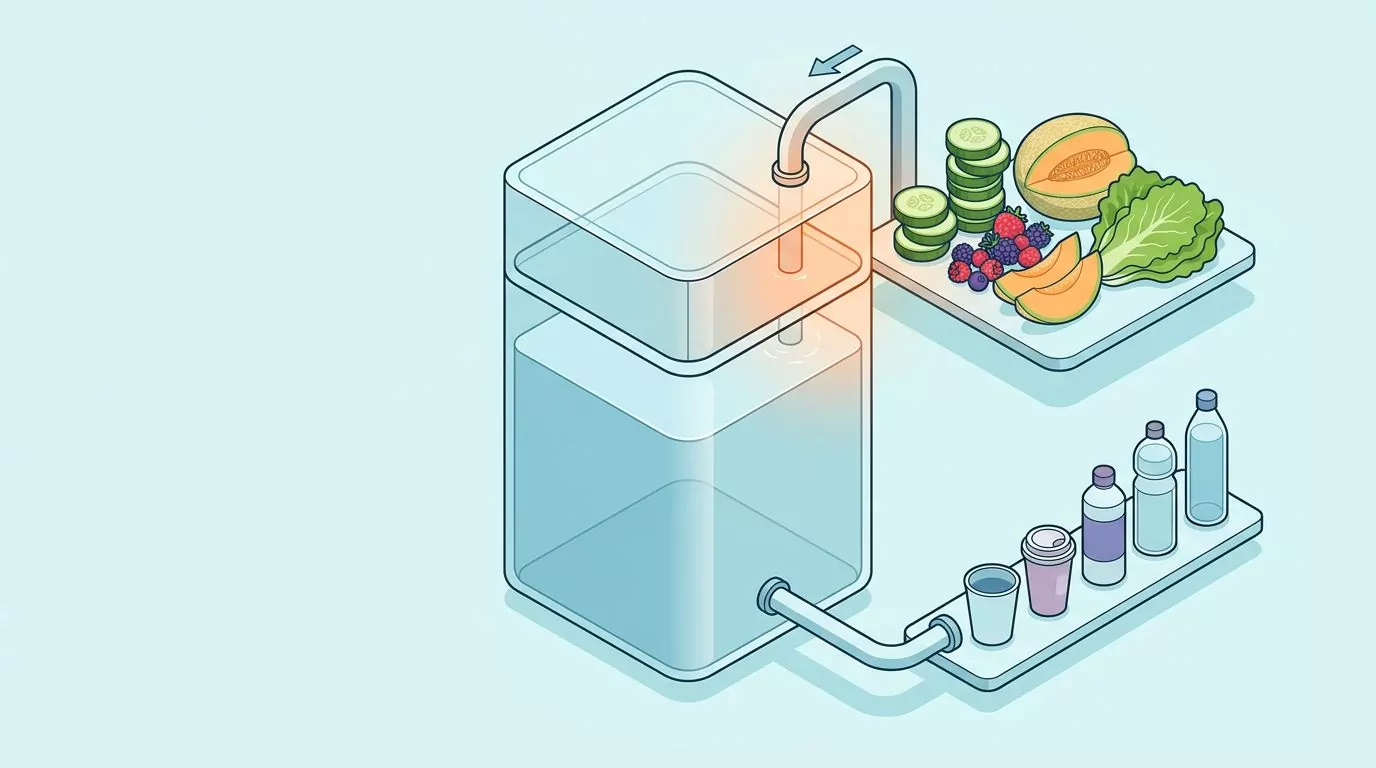
This also explains why two Harvard figures look like they disagree and do not. Total daily fluid lands near 15.5 cups for men and 11.5 cups for women once food is counted, while the beverage-only figures are 13 and 9 cups. The difference is lunch.
Two practical consequences follow. Your tracker is only ever counting part of the story, which is fine. And if you eat plenty of fruit and vegetables, you are further along than the app thinks you are.
Who actually needs to think about overhydration
For most healthy people this is a curiosity rather than a concern. There are groups where it matters more. Merck names them:
- People with heart, kidney or liver disorders
- People taking certain medications
- Athletes who drink very heavily during long endurance events
- People who drink compulsively because of a mental health condition
- Premature infants, whose kidneys are still developing
Harvard Health adds thyroid conditions, plus some common medicines including certain pain relievers and antidepressants, to the list of reasons to take more care.
If you are in one of those groups, or you take medication daily, ask a doctor or pharmacist what a sensible daily amount looks like for you. That is a short conversation, and it beats any article on the internet, this one included.
Why "more is better" is the wrong instinct
Hydration picked up a strange moral quality somewhere along the way. Drinking water became a thing you could be good at, and therefore a thing you could win.
Water does not work like that. Once you have had enough, the extra is not banked as bonus hydration. Harvard's Nutrition Source is blunt about the mechanism: the body can usually excrete extra water through urine or sweat.
So the reward for beating your goal by a liter is mostly more trips to the bathroom. That is hydration theatre. It looks like effort and produces nothing.
The signs of drinking too much water are worth general awareness: headache, nausea, confusion and fatigue come up most often. They belong to a rare situation, though, not to a slightly enthusiastic Tuesday. If something genuinely feels wrong, ask a healthcare professional rather than a tracking app.
What a normal, well hydrated day actually looks like
Reassuringly boring, mostly.
Harvard Health suggests four to six cups of plain water a day for many healthy people, with the rest of your fluid arriving through other drinks and through food. Coffee counts. Tea counts. So does soup.
Two rough signals do more work than any target number:
- Thirst. It is not a perfect gauge, but for healthy adults it is a decent one.
- Urine color. Harvard Health flags dark yellow urine as a warning sign of dehydration. Pale is the everyday sign that things are fine.
If you drank when you were thirsty, ate normally, and nothing looked dark, you had a good day. There is no medal for going past that.
If you track your water, treat the goal as a finish line, not a floor
Tracking is genuinely useful. It prevents the 4pm realization that you have had one coffee and nothing else since breakfast. The trouble starts when the number turns into a scoreboard.
Two habits keep it healthy. Use a goal that came from your own details rather than a round number you read somewhere. Then, when you hit it, stop. Hitting a sensible target is the entire job.
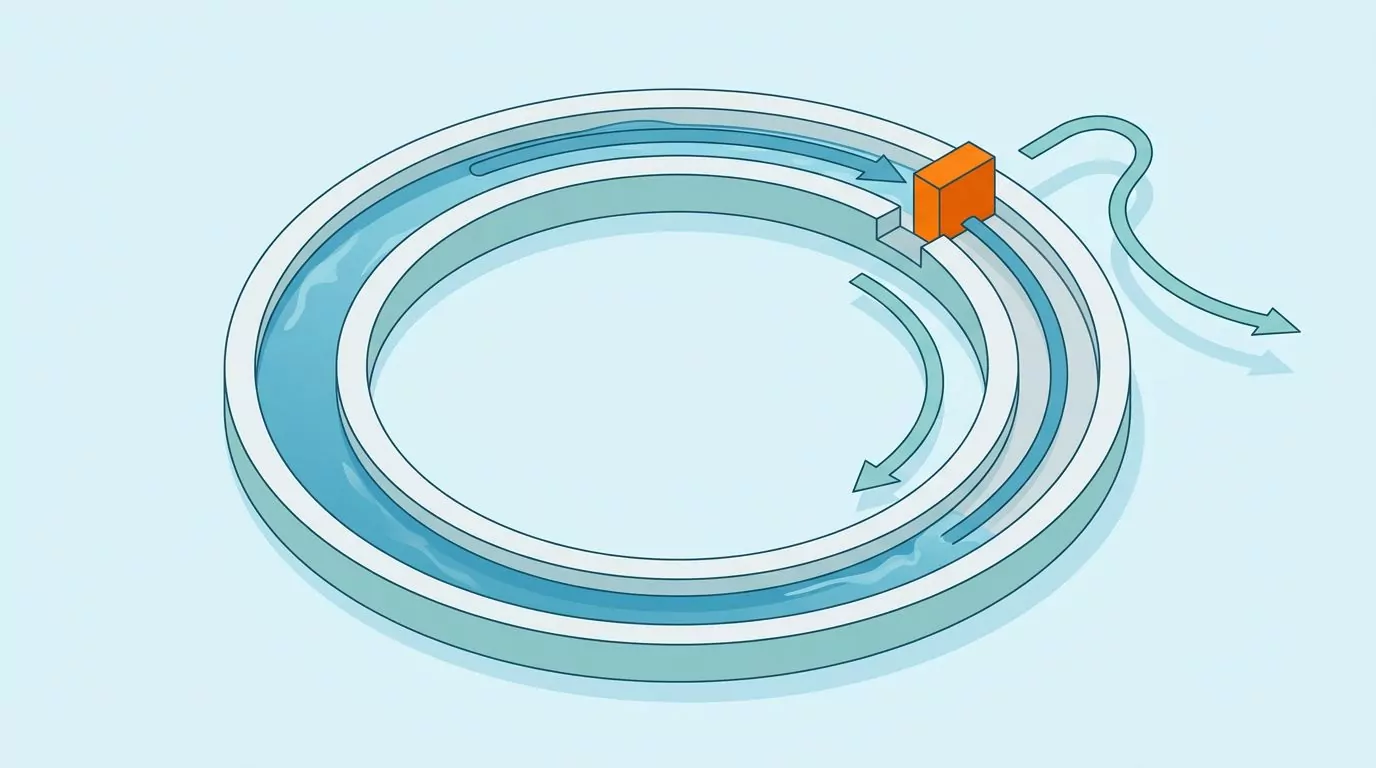
Water Goose is built around that idea. It sets a starting daily goal from basic details like age, height and weight, you can adjust that goal to suit you, and logging a drink takes a couple of taps.
It also logs coffee, tea, juice, smoothies and soup alongside water, because those contribute too. There is no leaderboard and nothing to compare yourself against. Your history stays on your iPhone in a simple calendar view showing which days you hit your goal.
It is general wellness information, not medical advice, and it keeps the tone light rather than preachy.
Frequently Asked Questions
Is a gallon of water a day too much?
For a healthy adult who spreads it across the day, a gallon is not automatically too much. At about 3.8 liters over sixteen waking hours it sits well under the one liter an hour the kidneys can process. It is more than most people need rather than dangerous.
What are the signs of drinking too much water?
The reference material most often lists headache, nausea, confusion, fatigue and muscle weakness, with more serious effects in rare severe cases. This is general awareness only, not a checklist to diagnose yourself with. If you feel unwell after drinking a large amount of fluid, contact a healthcare professional.
Can you drink too much water in one sitting?
Pace matters more than daily totals. Harvard Health puts the processing rate at about one liter an hour, so a large volume taken in quickly is a different situation from the same volume sipped through the day. A glass or two at a time is nowhere near that.
Does drinking more water flush toxins faster?
No. Your kidneys do the filtering, and drinking beyond what they need does not make them work faster. Harvard's Nutrition Source notes that the body can usually excrete extra water through urine or sweat, which is a polite way of saying the surplus simply leaves.
Can you drink too much water while exercising?
Merck lists athletes who drink excessively as one group where overhydration turns up, particularly around long endurance events. That is a general awareness point, not training guidance. If you take part in long events, discuss a fluid plan with a healthcare professional.
Does drinking a lot of water damage your kidneys?
This article does not answer that one, and no article should. Kidney health is a medical question, and Merck notes that people with existing kidney, heart or liver disorders need more care with fluid than others do. Ask a doctor about your own situation.
Drink normally, then get on with your day
The honest version of this topic is short. Too much water is a real thing, the ceiling is high, and hitting a sensible daily goal is not overdoing it.
If you want a calmer way to keep an eye on it, Water Goose is coming to iPhone: a goal built from your own details, drinks logged in seconds, and history that stays on your device. You can see how it works at watergoose.app.