Hydration in Hot Weather, for People Who Are Not Athletes
Heat raises how much fluid you lose without making you feel much thirstier, so hot weather hydration works best as a small planned increase. Nudge your usual daily target up by roughly a fifth on a warm day, drink on a loose schedule instead of waiting for thirst, and top up before you head out rather than after you get back.
Almost everything written about staying hydrated in the heat is aimed at one of two people: a patient, or an athlete. If you are neither, and your idea of heat exposure is a packed bus and an office where the windows do not open, most of that advice does not land. This is the version for you.
Why hot weather hydration takes more than usual
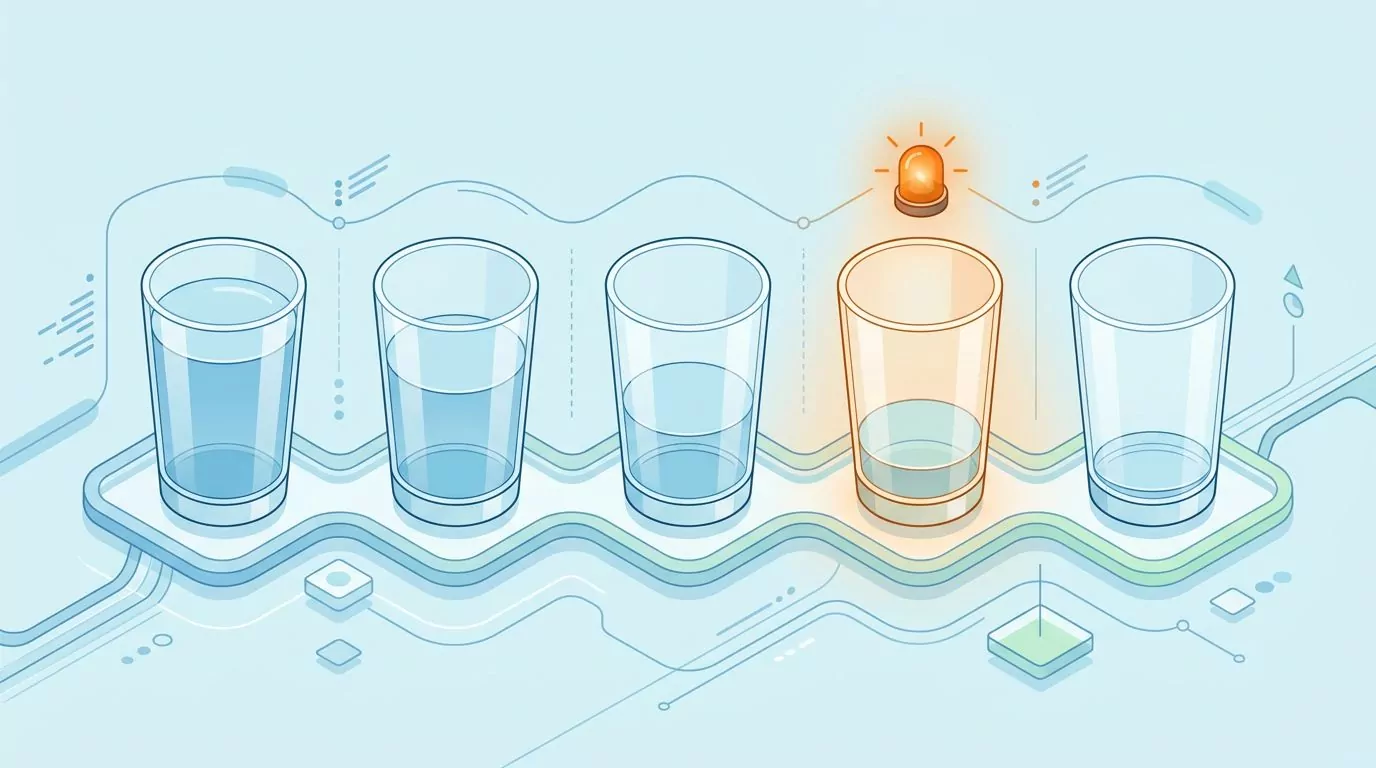
Your body cools itself by sweating. On a hot day you lose more fluid doing very little than you would on a mild one, and you lose it in a slow trickle rather than one obvious burst.
The awkward part is that thirst is a late signal. It usually shows up once you are already behind, not while you are drifting there. Several of the health system guides on this topic say the same thing in different words: by the time you feel thirsty, you have some catching up to do.
So the shape of the problem is not dramatic. It is a small gap that repeats all day. Which means the fix is small and repeated too, and not a heroic litre at 9pm.
How much water in hot weather, roughly
There is no clean formula here, and anyone offering one to the millilitre is guessing. What works is a proportional nudge you can remember: add somewhere around 15 to 25 percent to whatever you normally aim for.
Here is what that looks like on real targets.
- A 2 litre day becomes about 2.4 litres. That is one extra glass in the afternoon and one in the early evening. Nothing else changes.
- A 2.7 litre day becomes about 3.2 litres. Two more refills of a small cup covers it, or one more trip to the bottle you already carry.
- A 64 ounce day becomes about 76 ounces. One extra 12 ounce bottle, spread out rather than downed at once.
Round it to a number you can actually hit. Sensible baselines vary a lot, and the Colorado State nutrition centre suggests 2 litres a day as a starting point while acknowledging that people differ. The point of hot weather water intake is not accuracy. It is not spending the whole day a few hundred millilitres behind without noticing.
Two more things that make the nudge stick. Drink some before you go out into the heat, not just after. And spread it across the day, because a big glass all at once mostly ends up as a bathroom trip.
Humid heat and dry heat mislead you in opposite ways
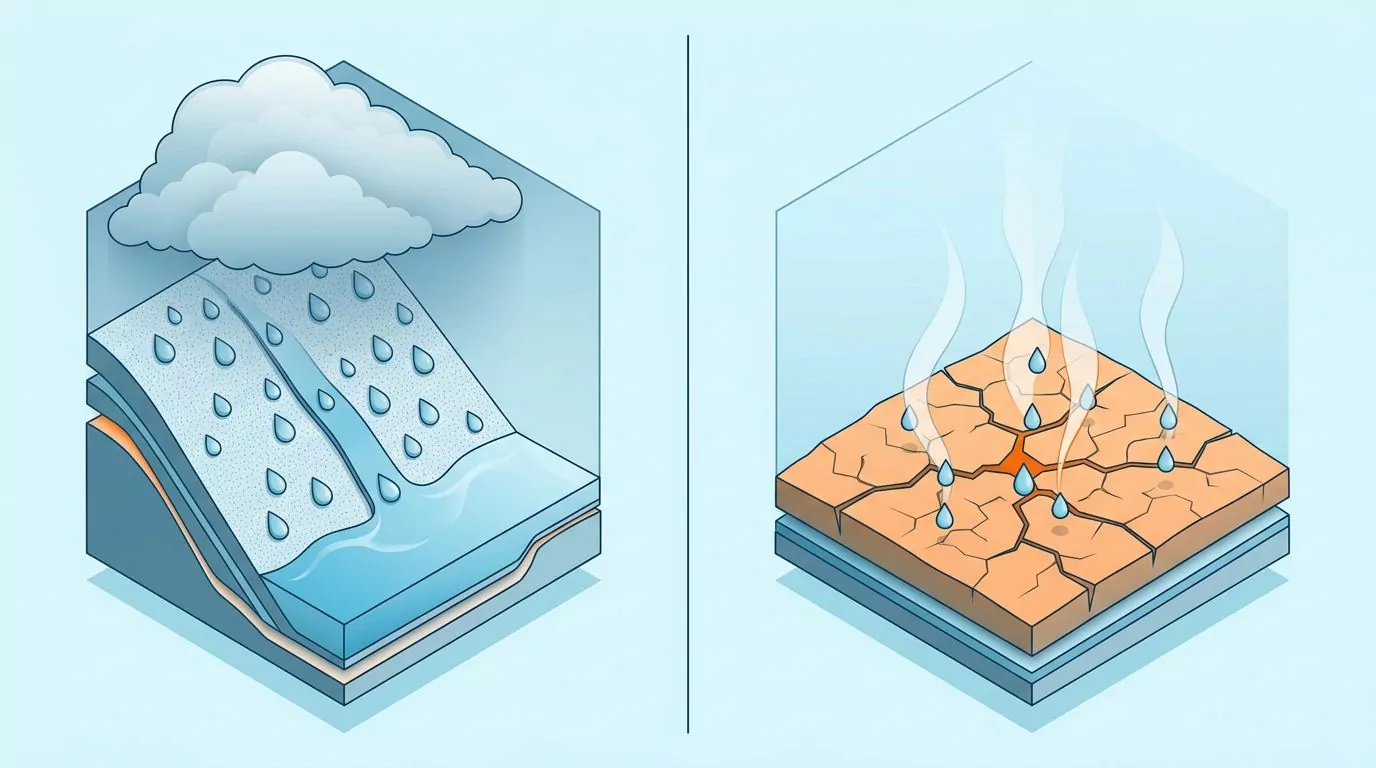
Sweat only cools you when it evaporates. How fast that happens depends on the air around you, and this changes what the day feels like.
In humid air, sweat evaporates slowly. It sits on your skin and runs off you. You feel soaked, sticky and miserable, and the cooling is poor even though the loss is real. The feeling is loud, so most people do drink.
Dry heat does the reverse. Sweat lifts off almost as fast as it appears, so your skin stays dry and you feel oddly comfortable. The loss carries on the whole time, quietly, with no visible evidence.
Neither reading is trustworthy. Humid heat overstates the drama, dry heat understates it, and both leave you guessing. Use the weather rather than your skin: if it is hot, apply the nudge, whether or not you can feel yourself sweating.
The everyday situations that catch people out
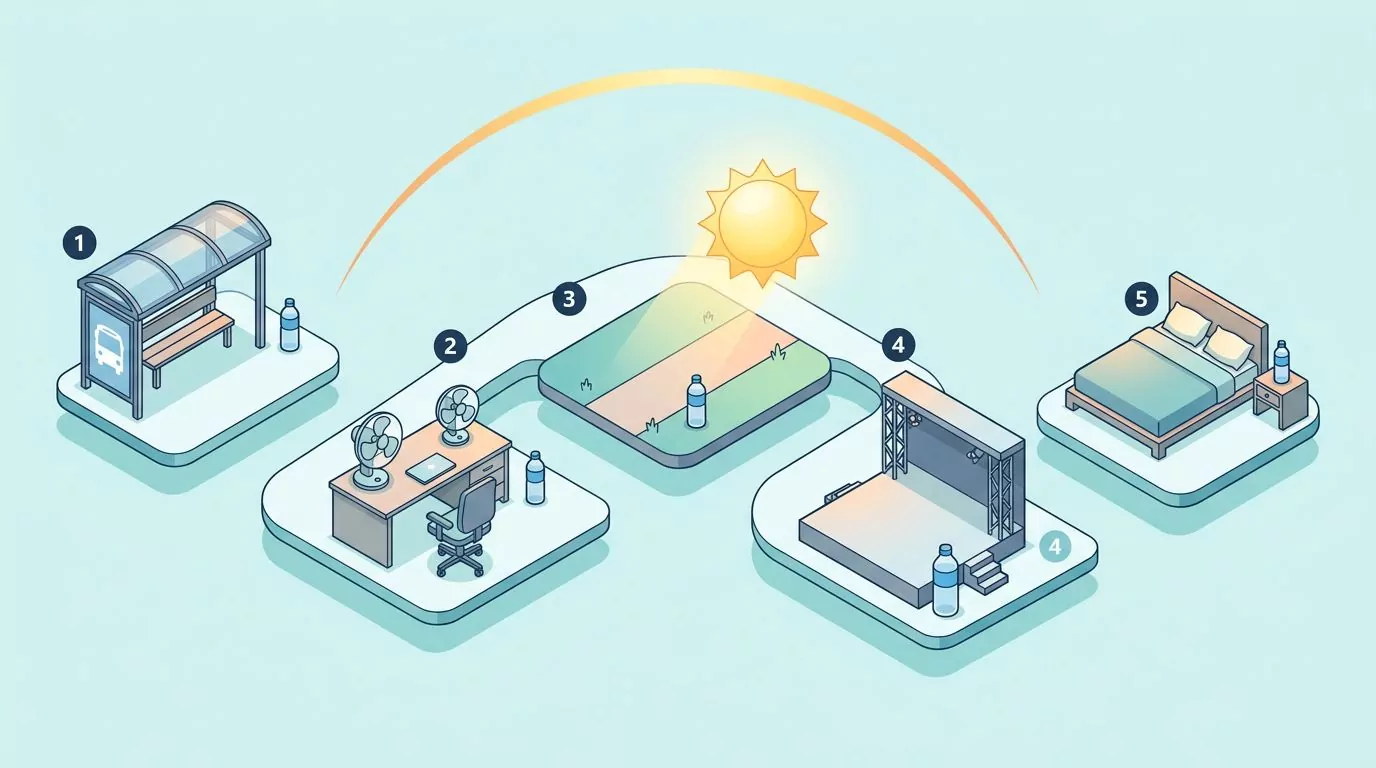
Ordinary heat exposure is not a training session. It is a commute, a warm room, and a day out where the nearest tap is a mystery. These are the moments where the gap opens up, and none of them come with a water station.
| Situation | Why it catches people out | A practical adjustment |
|---|---|---|
| The commute | Twenty hot minutes on a bus or platform feels too short to matter, and your hands are full. | Drink a glass before you leave. Getting the fluid in early beats trying to carry it. |
| A stuffy office or lecture hall | Still air with no breeze. You are sitting, so it does not feel like effort, and hours pass. | Keep a filled bottle in view on the desk. Refill it at every natural break. |
| A long walk or day out | Low effort but very long duration, usually in direct sun. | Carry more than you think you need and sip on a timer, not on thirst. |
| An outdoor event with no easy refill | Queues, paid drinks, and no idea where the taps are. | Arrive topped up, bring a bottle if allowed, and find the water point before you need it. |
| A hot bedroom overnight | You lose fluid for eight hours and cannot notice any of it. | A glass before bed and one on waking. Front load the evening one if late water disturbs your sleep. |
One plain note on heat and dehydration, then back to normal life. Heat can cause real illness, and symptoms such as confusion, fainting, a pounding headache or vomiting need medical help rather than a bigger bottle. Texas Health has a clear summary of heat safety and the warning signs. If something feels wrong, speak to a healthcare professional.
What to drink when the temperature climbs
Water does almost all of the work, and it is cheap, everywhere and hard to get wrong. If you only change one thing this summer, make it plain water more often rather than a new product.
Other everyday drinks count too, which surprises people. Tea, coffee, milk, juice, lemonade and even soup are mostly water and all add to your total. Coffee is not a hydration villain in normal amounts, so drinking water in summer does not mean giving up your afternoon flat white.
Electrolytes are worth a short mention and no more. They matter when you are sweating heavily for hours, and ordinary meals already contain plenty of salt for a normal hot day. Healthline covers the electrolyte question in more depth if you want it, but for a warm commute and a desk job, water and food will do.
Water rich food is a quiet helper here. Fruit and salad vegetables are largely water, and a bowl of watermelon on a hot afternoon does more than it looks like it does.
Air conditioning and dry indoor air
Air conditioning cools by pulling heat and moisture out of the air, so conditioned rooms tend to be dry. That is why your eyes feel scratchy after a long day in one.
It does not suck water out of you the way the internet sometimes implies. What it does is make the loss less obvious. You breathe and lose a little moisture through your skin all day, and in dry air that happens slightly faster, with nothing to alert you.
The practical version is boring and effective. Keep water within arm's reach at your desk, because a bottle you can see gets drunk and a bottle in a bag does not. Treat a long day in aggressive air conditioning as a warm day, even if you never felt hot.
Adjusting your daily goal for the season
Here is the bit most guides skip. A daily target is not a fixed number you set once and obey forever. It is an estimate, and estimates are supposed to move when conditions do.
Summer is the most obvious time to move it. Rather than mentally adding a glass here and there and losing track by Wednesday, raise the number itself and let the target do the remembering. When the weather turns, put it back.
Water Goose works this way on iPhone. It suggests a starting daily target from a few basics like age, height and weight, and that number is yours to change whenever you like. Raising it for a hot spell is one adjustment, then you can leave it alone and just log drinks as normal.
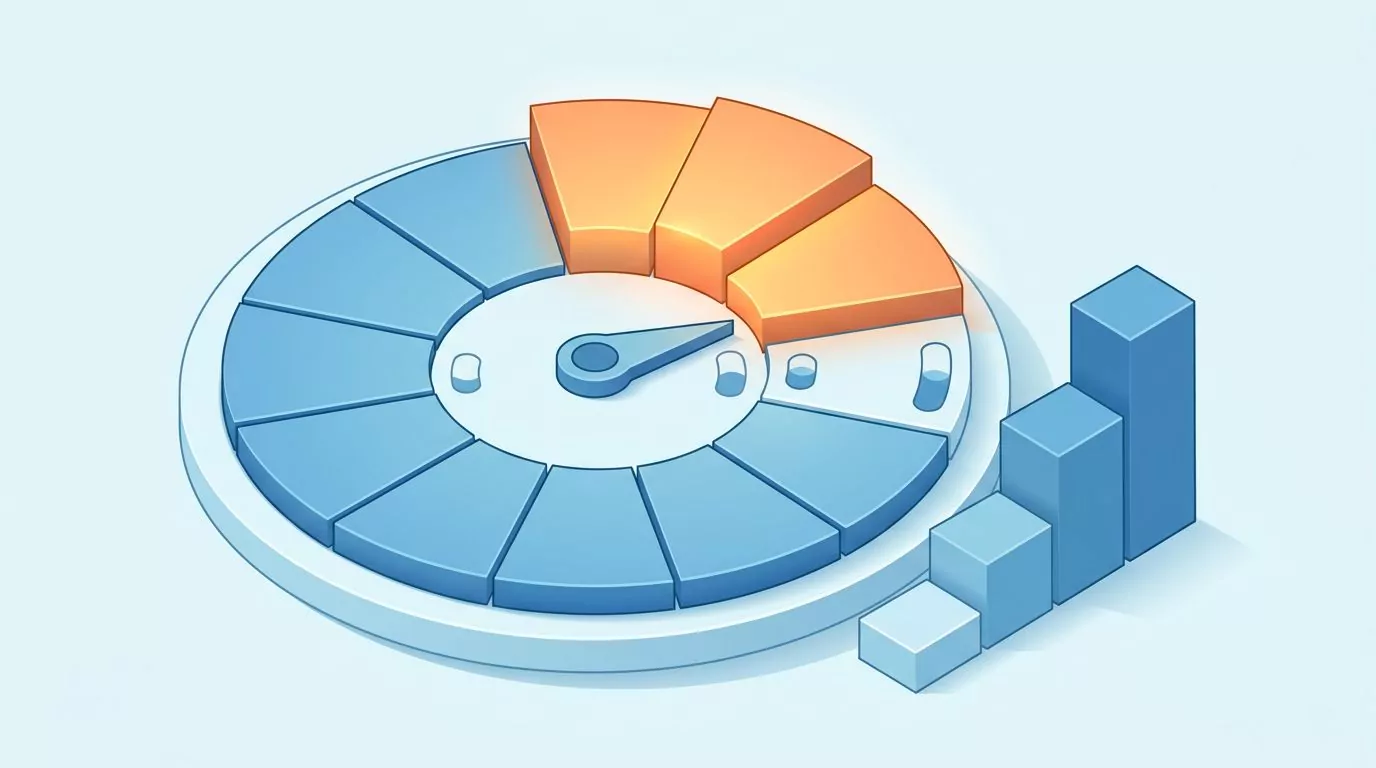
The history view is what makes the change worth making. It is a simple calendar of daily totals and how often you hit your goal, kept on your device rather than in the cloud. After a week of a heatwave you can see whether the higher target was realistic or whether you set it out of enthusiasm.
Frequently Asked Questions
How much extra water do you need in hot weather?
Roughly 15 to 25 percent more than your usual target is a sensible starting nudge for an ordinary hot day. On a 2 litre target that is about two extra glasses. Adjust from there based on how you feel and how much time you spend outside.
Do you need electrolytes on a hot day?
Usually not. Water plus normal meals covers a warm commute, a stuffy office or a day out, because everyday food already contains salt. Electrolyte drinks make more sense when you are sweating heavily for several hours at a stretch.
Why am I not thirsty when it is hot?
Thirst is a lagging signal, and it lags more when you are busy, distracted or in dry air where sweat vanishes before you see it. This is the main reason summer hydration tips all tell you to drink on a schedule. Waiting for the cue means waiting too long.
Does air conditioning dehydrate you?
Not directly, but it does dry the air out, and dry air slightly increases what you lose through breathing and skin. The bigger effect is that you feel comfortable, so you forget to drink. Keep a glass on the desk and the problem mostly solves itself.
Should you drink more water on a humid day or a dry one?
Both need more than a mild day, so treat them the same and apply the same nudge. Humid heat makes the loss obvious, so people tend to drink. Dry heat hides it, which is why it catches more people out.
Is cold water better in the heat?
Cold water is not better hydration, but it is often better in practice, because most people drink more of something that tastes refreshing. If chilled water or a slice of lemon means the bottle actually empties, that is the version to have. This is general wellness guidance rather than medical advice.
The short version
Hydration during a heatwave is not a different skill. It is your normal habit with a small adjustment, applied on the days that need it and dropped when they pass. Nudge the number, drink before you go out, and stop waiting for thirst to tell you.
Water Goose is coming soon to iPhone as a calm way to keep track: set a goal, log a drink in seconds, and see a history that stays on your device. If a slightly higher summer target sounds useful, it is quick to set and easy to put back when the weather breaks.