Does Soup Count as Water Intake? Yes, Though Not Every Bowl Is Equal
Yes, soup counts as water intake. Broth-based soups are roughly 90 to 98 percent water, and thick or creamy soups sit a little lower, around 75 to 87 percent. The salt in canned soup is worth a glance at the label, but it does not cancel the water you drank.
Does soup count as water intake? The short answer is yes
Soup is mostly water with some food in it. When you finish a bowl of broth, your body takes in that water the same way it would from a glass. The spoon does not change anything.
Health guidance already counts it. The U.S. National Academies estimate that about 20 percent of the water people take in comes from food, and Harvard Health lists soups among the good sources of fluid from food. The NHS makes the same general point: some of our fluid arrives in what we eat.
So why do people ask? Many trackers only have a button for plain water. There is also an old idea that only drinks count, spread partly by the 8 glasses a day rule, even though the 1945 advice behind it said most of that water already comes in prepared foods.
How much of a bowl is actually water
Not every soup carries the same amount of water. The table below uses survey data from USDA FoodData Central, rounded, for a 300 ml bowl. That is a normal home bowl, a little bigger than a mug.
| Soup type | Approximate water share | What a 300 ml bowl roughly gives you |
|---|---|---|
| Clear broth | About 98% | About 290 ml of water, close to a full glass |
| Miso soup | About 93% | About 280 ml, nearly the same as a glass |
| Tomato or vegetable soup | About 90 to 94% | About 270 to 280 ml |
| Chicken noodle soup | About 88 to 90% | About 260 to 270 ml, with the noodles taking up the rest |
| Creamy or blended soup | About 83 to 87% | About 250 to 260 ml, as cream, potato or cheese take up space |
| Chunky stew or chili | About 74 to 81% | About 220 to 240 ml, though you eat it more than you drink it |
Treat these as ranges, not readings. They assume a 300 ml bowl weighs about 300 g, and your own recipe will move them a few percent either way.
Every row is mostly water, and the share drops as the bowl gets thicker. Even a chili is about three quarters water.
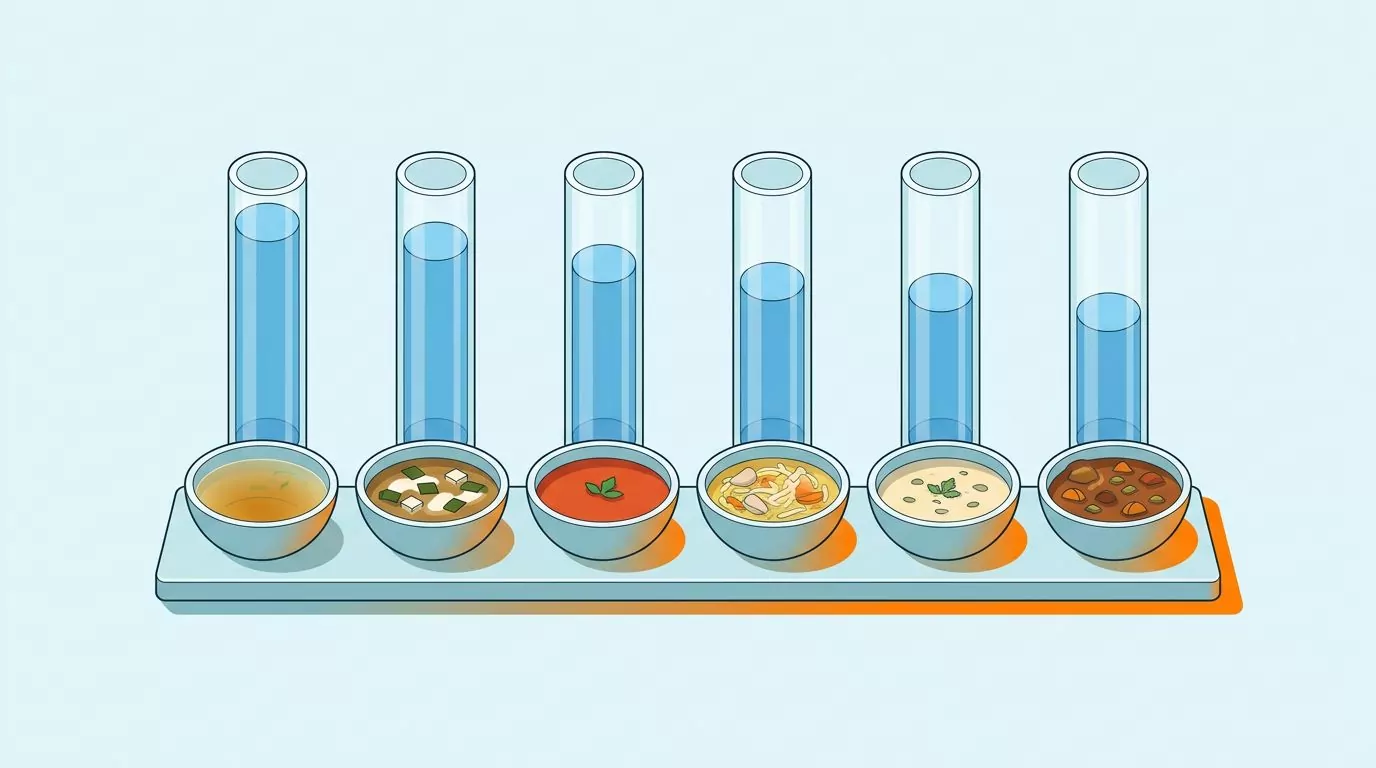
Broth and clear soups
A clear broth is the nearest thing to a warm drink. Chicken, beef or vegetable stock, miso, and the broth in a bowl of pho are almost all water, with a little salt, fat and flavour.
A mug of broth counts much like a mug of tea, and cold soups follow the same rule. Gazpacho is about 93 percent water, which makes it a sensible bowl for hydration in hot weather.
Thick, creamy and chunky soups
Solids take up room. Cream, blended potato, lentils, beans, meat and pasta all push the water share down.
These soups still help. Treat a stew as food that adds water to your day, not as a drink.
Does the salt cancel it out?
No. Salt does not remove water you have already taken in. This is the most common worry about soup, and it usually comes from the thirsty feeling after a salty meal.
Thirst after salty food is your body asking for a little more water to go with the salt, not a sign that the soup took water away. In fact, some sodium helps you hold on to fluid, as how to hydrate faster explains.
One small lab study tested soup directly. Researchers at Iowa State University had 30 adults lose about 2.5 percent of their body weight in fluid, then drink to replace it.
People who started with chicken broth or chicken noodle soup were back to their starting blood plasma volume after two hours. People who started with plain water or a sports drink were not. It is one small study, so read it as reassurance, not as a reason to salt your water.
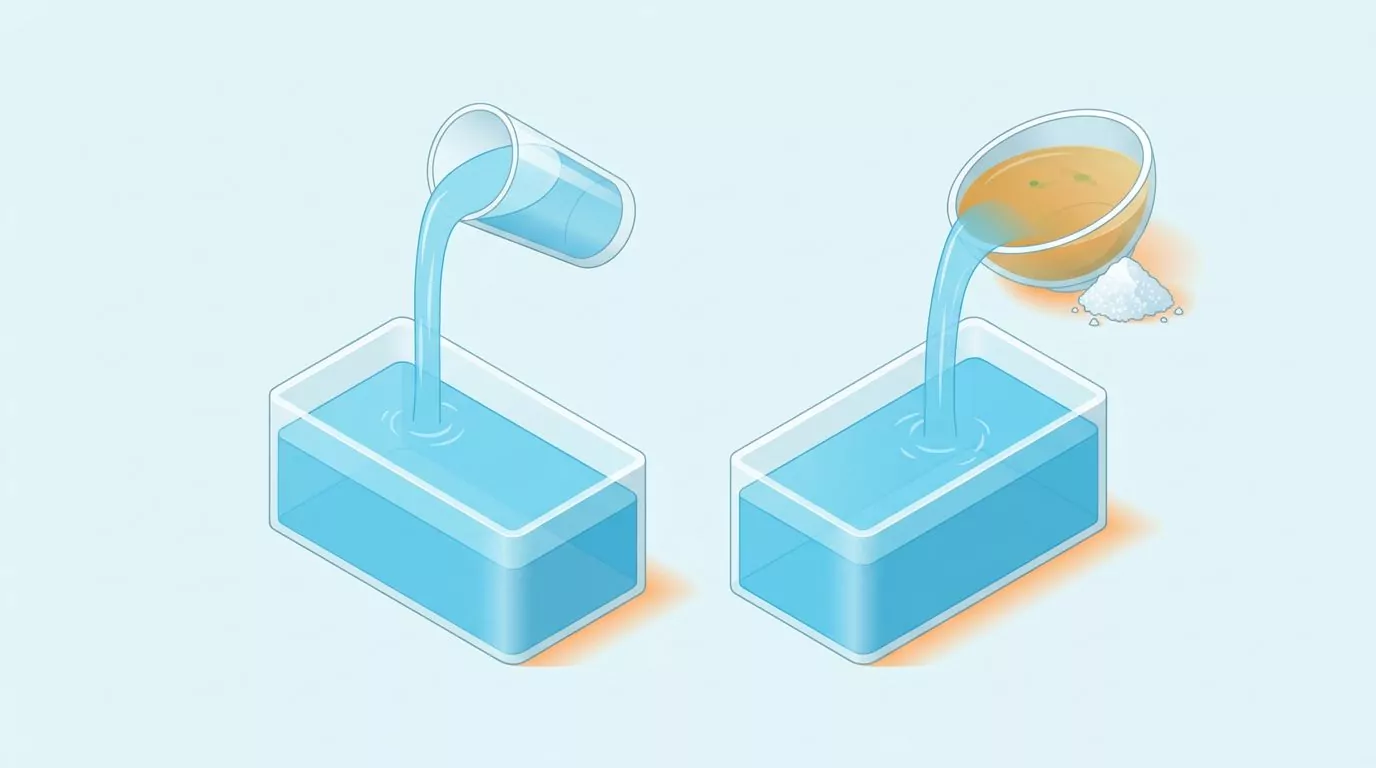
Canned and instant soups can be salty, though, and the FDA lists soups among the foods that supply the most sodium in American diets. A glance at the label is enough: 20 percent of the daily value or more per serving counts as high.
A glass of water next to a salty bowl is a pleasant habit, not a rule. Reduced-sodium versions carry the same water.
Soup next to coffee, tea and sparkling water
Soup sits in the same bucket as the other drinks people doubt. Each one counts, and each comes with one small caveat.
- Coffee. Caffeine has a mild diuretic effect, but a normal cup still adds fluid. The full story is in does coffee count towards water intake.
- Tea. A brewed cup is almost all water, and a trial found black tea no different from water for hydration. See does tea count as water intake for caffeine by tea type.
- Sparkling water. The bubbles change the feel, not the fluid. Sparkling water hydrates you like still water, though some brands add sodium.
- Soup. It counts too, but thick soups are part food, so the bowl holds less water than its size suggests.
How to count soup in a real day
Count the liquid, not the bowl. That one rule covers almost every soup, with no calculator needed.
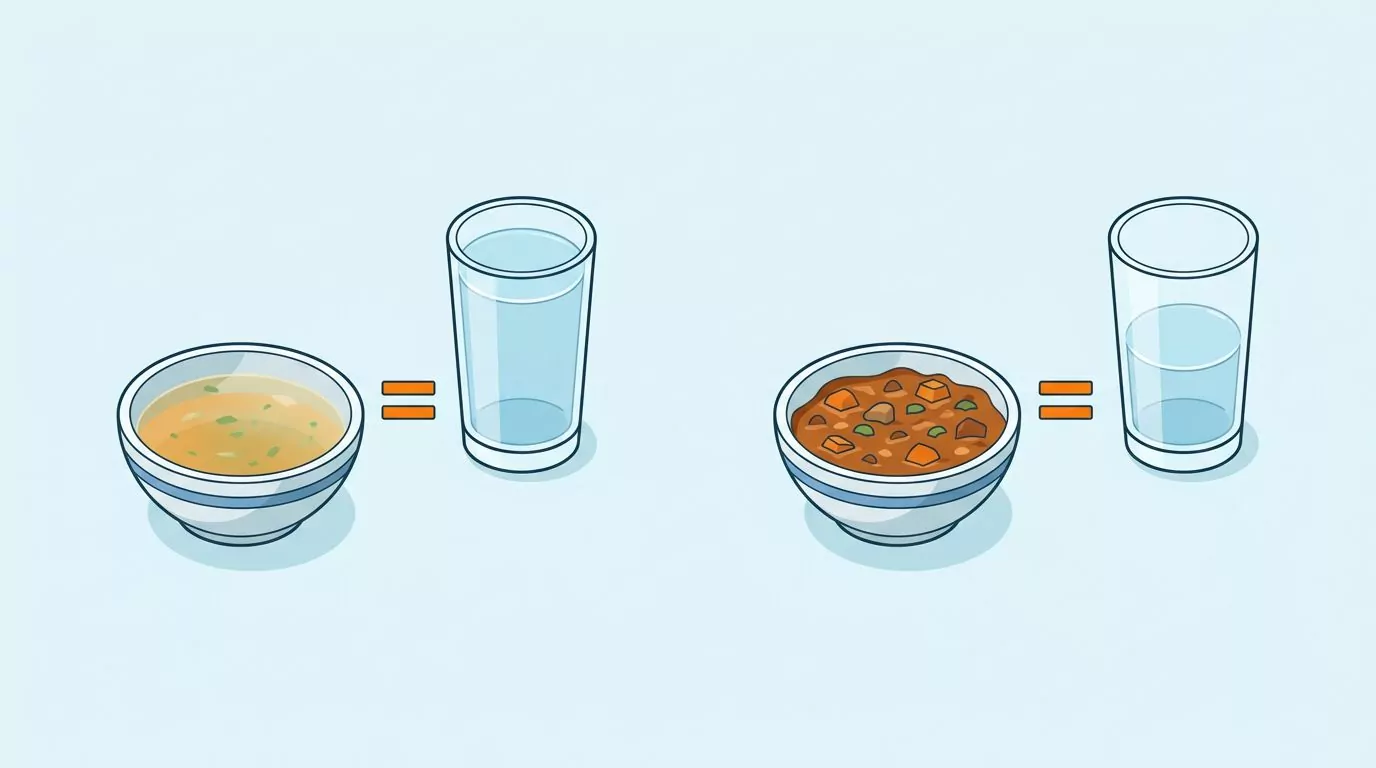
- Brothy bowls such as miso, pho broth or clear chicken soup: close enough to a glass of water. Count the amount you drank.
- Noodle or vegetable soups: mostly liquid with some bits in it. Count the broth you finished and let the noodles be food.
- Thick or chunky soups such as chowder, chili or stew: partial credit. Count them loosely, or not at all.
Not at all is a fine answer. Food already supplies a real share of your water without being logged, so leaving out a stew will not throw off your day.
For the wider picture of hydrating foods, see the water content of 32 common foods, and compare everyday drinks with water in the hydration data for 13 drinks. If you want a starting target, the water intake calculator works one out from your weight, activity and climate.
Logging soup in Water Goose
Water Goose has a soup preset sitting next to water, coffee, tea and the other everyday drinks. Logging a bowl works like logging anything else: tap soup, pick the amount, confirm.
Log what you actually drank. A mug of broth is easy: log the mug. For a noodle soup, log roughly the broth you finished, and for a thick stew, log a smaller amount or skip it.
Your entries land in a calendar-like history of daily totals, goal completion and streaks, in ml or fl oz. Everything is stored on your iPhone, and there is no account to set up.
Frequently Asked Questions
Is soup hydrating?
Yes, soup is hydrating because most of it is water: a clear broth is about 98 percent water, and even a creamy soup is usually above 80 percent. Brothy soups hydrate much like a drink, while thick stews help more like water-rich food. Either way, soup belongs inside your daily fluid picture, not outside it.
Does broth count as water?
Yes, broth counts toward your water intake. It is not quite plain water, since it carries salt and a little fat, but a 250 ml mug still gives you close to 245 ml of water, so log it at the amount you drank. If you want less salt, reduced-sodium broth carries the same water.
Does the salt in soup cancel out the water?
No, sodium does not pull out water you have already taken in. Salty food can make you thirsty later, but in a small lab study, salty chicken broth and chicken noodle soup actually helped people hold on to fluid after they lost some. If a soup is very salty, a glass of water alongside is a nice habit, not a requirement.
Does ramen or instant noodle soup count?
Yes. Prepared instant noodle soup is about 86 percent water in USDA data, and a full restaurant ramen bowl with noodles, egg and meat is closer to 73 percent. Many people leave broth behind, so count the liquid you drank rather than the full bowl, and give salty instant noodles a quick look at the label.
Does homemade soup count more than canned soup?
Not really, because homemade and canned soups of the same type carry similar amounts of water: in USDA data, tomato soup is about 94 percent water and the canned version about 90 percent. The bigger difference is usually salt, which you control at home. One catch is that condensed canned soup only reaches those numbers after you add the water the can asks for.
Should I log soup as water in a hydration tracker?
Log it as soup if your tracker has a soup option, and as a drink if it does not, counting the liquid you drank. A mug of broth deserves a full entry, and the broth from a noodle soup a rough one. A thick stew can be skipped, because food already covers part of your water each day.
The bottom line
Soup counts as water intake. Broth and brothy soups are close to a glass of water, thick soups earn partial credit, and salt does not cancel any of it.
Count the liquid you drank and glance at the label on salty cans. This article is general wellness information, not medical advice, so follow any fluid or salt guidance a clinician has given you.
If you want a tracker that treats soup as a real part of your day, Water Goose is on the App Store for iPhone, with a soup preset and a history that stays on your device.