A Drink Water Time Table for a Normal Working Day, and Why Each Slot Is There
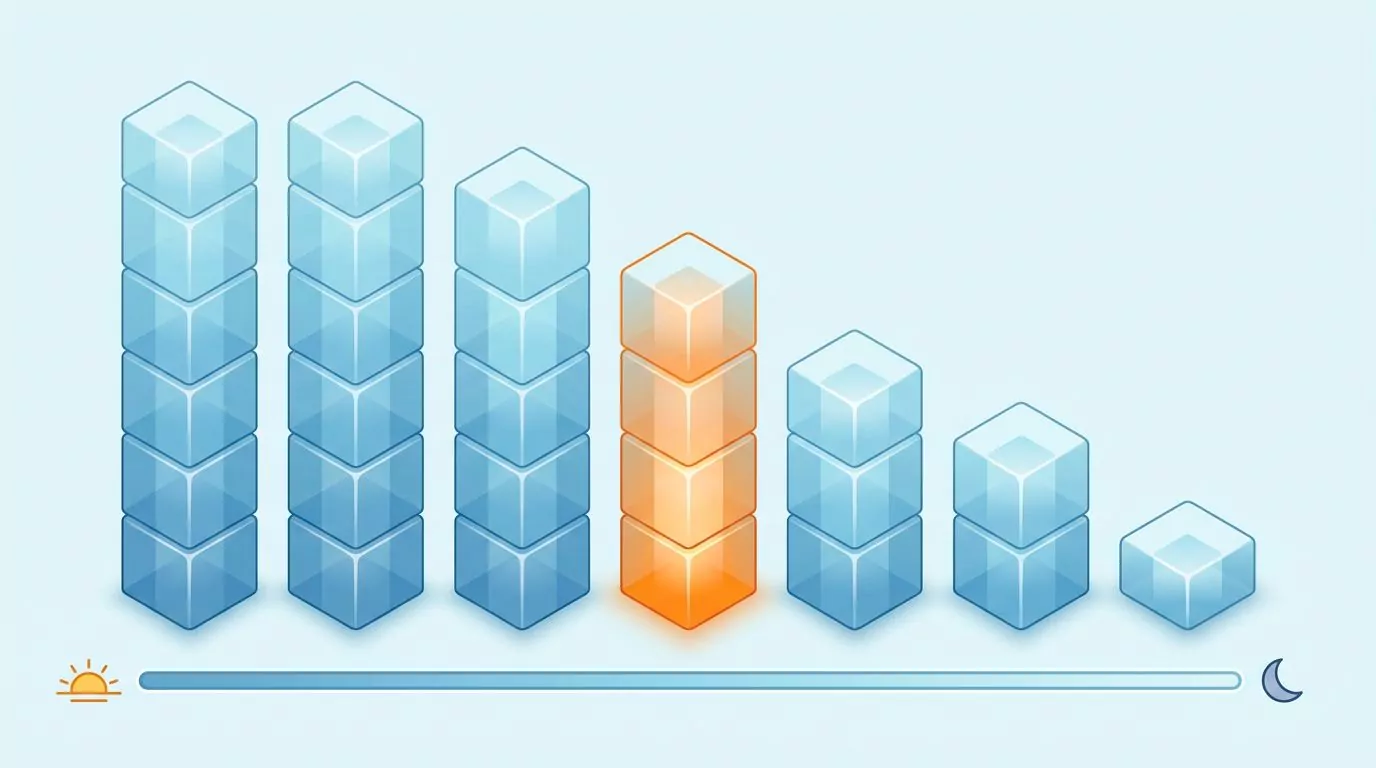
A drink water time table is a rough plan for when your drinks happen across the day. In US survey data, plain water is front-loaded: most of it is drunk before noon, and much less for the rest of the day.
Below is one drink water schedule for a normal working day, with ranges instead of rules. Each slot has a reason, so you can move it when your day looks different.
What a drink water time table is for, and what it is not
A water schedule is a scaffold. It tells you roughly when to drink water, so the day's total arrives without a late catch-up.
It is not a rule book. A glass at 10:00 is not better than the same glass at 10:40, and the old 8 glasses a day rule was never a strict law either. Aim the totals at your own goal, not at someone else's number.
The drink water time table for a normal working day
This assumes waking around 7am, a desk job and bed around 11pm. Every amount is a range, and everyday drinks like coffee, tea and milk count too.
| Time slot | What to drink | Roughly how much | Why this slot |
|---|---|---|---|
| On waking, around 7am | Water | 1 to 2 cups (250 to 500 ml) | Seven or eight hours with no drink |
| Commute and first coffee, 8 to 9am | Coffee or tea, water if you like | 1 to 2 cups (250 to 500 ml) | A habit you already keep |
| Mid-morning, 10 to 11:30am | Water | 1 to 2 cups (250 to 500 ml) | The slot most people already win |
| Lunch, 12 to 1:30pm | Water with food | 1 to 2 cups (250 to 500 ml) | Little plain water with lunch |
| Afternoon slump, 2:30 to 4pm | Water before another coffee | 1 to 2 cups (250 to 500 ml) | An easy swap at a weak point |
| Evening and dinner, 6 to 8pm | Water, tea, soup | 1 to 2 cups (250 to 500 ml) | Finish most of what is left |
| Cut-off, 1 to 2 hours before bed | Small sips if thirsty | Up to 1 cup (under 250 ml) | Taper so sleep stays quiet |
The low end of every row adds up to about 1.5 litres (50 fl oz). The top end is a little over 3 litres (about 110 fl oz). Pick the end nearest your own daily goal, and remember that food supplies some water too.
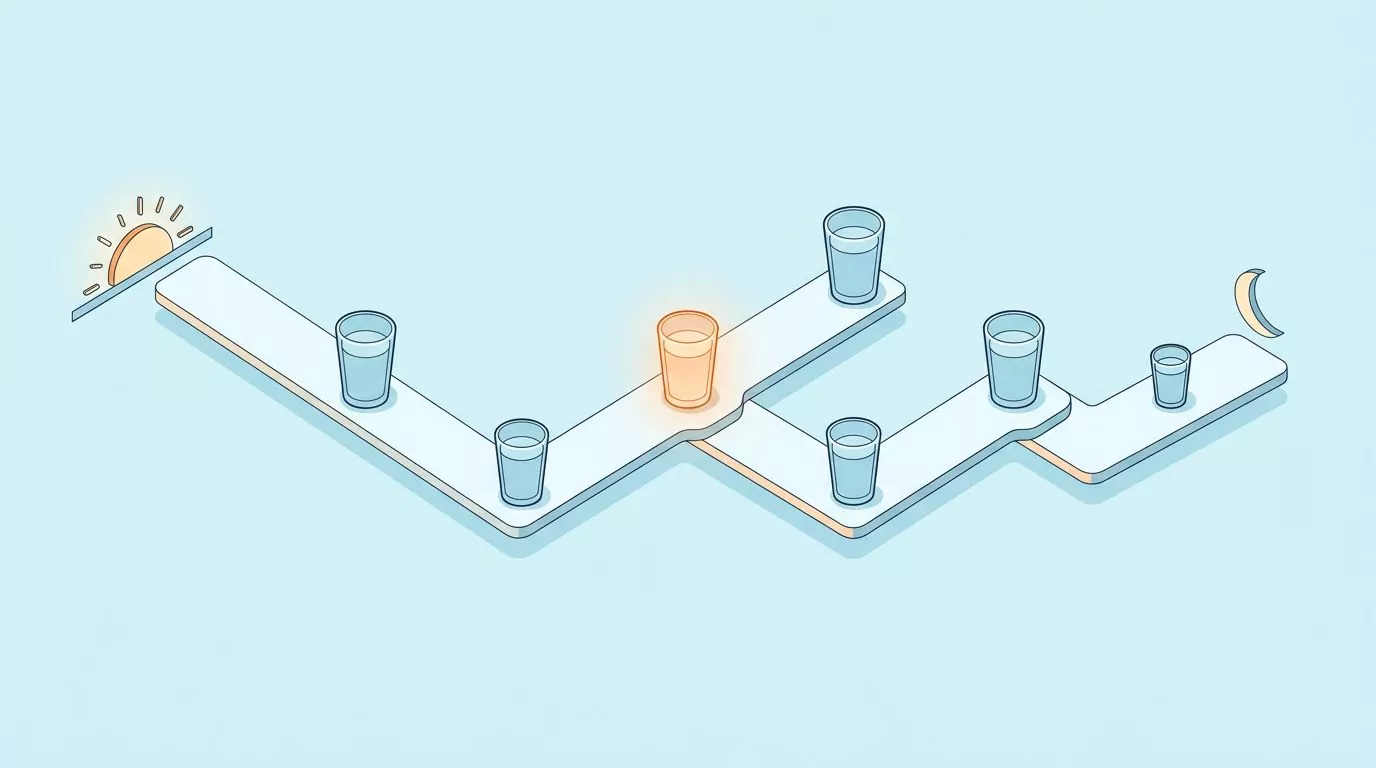
Slot by slot: why each one is there
Each slot below has one reason and one way to bend it.
On waking: a glass, not a litre
You have gone most of the night without a drink, so the first glass is easy to justify and easy to remember. One normal glass is plenty. More is not better here, just more trips to the bathroom.
If you are not thirsty yet, let it wait until breakfast. The morning water guide covers what that glass does and does not do.
Commute and first coffee
Coffee and tea count toward your fluids, within reason. The NHS lists tea and coffee as part of your daily intake, and the full answer is in does coffee count towards water intake. Log the mug and move on.
Mid-morning: the slot people already win
A large US survey of more than 22,000 children and adults found that plain water is mostly drunk between 6am and noon. So this is not a slot you need to build. It is one you need to protect.
Keep a full bottle on the desk before your first task.
Lunch: the easiest slot to add
The same data shows relatively little water drunk with lunch. Often lunch is eaten at the desk between messages. A glass with food is the easiest drink to add to the whole day, because the meal is already in the diary.
Afternoon slump: water before the third coffee
From midday into the afternoon, sodas and other sweet drinks become more common in the same survey. It is also when a third coffee starts to look good. Have a glass of water first, then decide whether you still want the coffee.
Evening and dinner: catch up without loading up
If the day went to plan, this slot finishes the job. If it did not, spread what is left across dinner and the early evening rather than drinking it all at once.
Cut-off before bed: taper, do not stop dead
The survey shows drinking drops sharply after 9pm, which is a sensible shape to copy. Make your last decent drink one to two hours before bed, then small sips if you are thirsty. The night-time water guide explains how to find your own cut-off.
How often should you drink water, and how much per hour?
A sensible pattern is a drink every couple of waking hours, sized so the day adds up to your own goal, rather than a cup on the hour, every hour. The table above works that way, adding up to roughly 1.5 to 3 litres across the day. On average that is about 100 to 200 ml (3 to 7 fl oz) an hour.
Once your goal is met, more water is not better. Healthy kidneys have a real hourly ceiling, covered in how much water is too much, and an ordinary day sits far below it. The point of spreading drinks is comfort and steadiness, not a bigger total.
Adapting the water drinking timetable to your real day
Keep the order of the slots. Move the clock times.
A 6am start with training first
Drink your waking glass before you leave, and take a bottle with you. After training, the commute slot becomes a drink with breakfast, and on a sweaty morning you can lean toward the top of the ranges until lunch. Bedtime is earlier too, so pull the cut-off earlier with it.
A late start working from home
If you wake at 9 and work until 7, slide the whole table about two hours later. Without a commute, tie the second drink to opening your laptop. Lunch drifts toward 2pm, so the afternoon slot shrinks and the evening slot can carry a little more.
A back-to-back meetings day
Here the clock is useless, but the calendar is not. Take a full bottle into the first call and refill at every real break between meetings. Treat the end of the last meeting as your afternoon slot, even if it lands at 5pm.
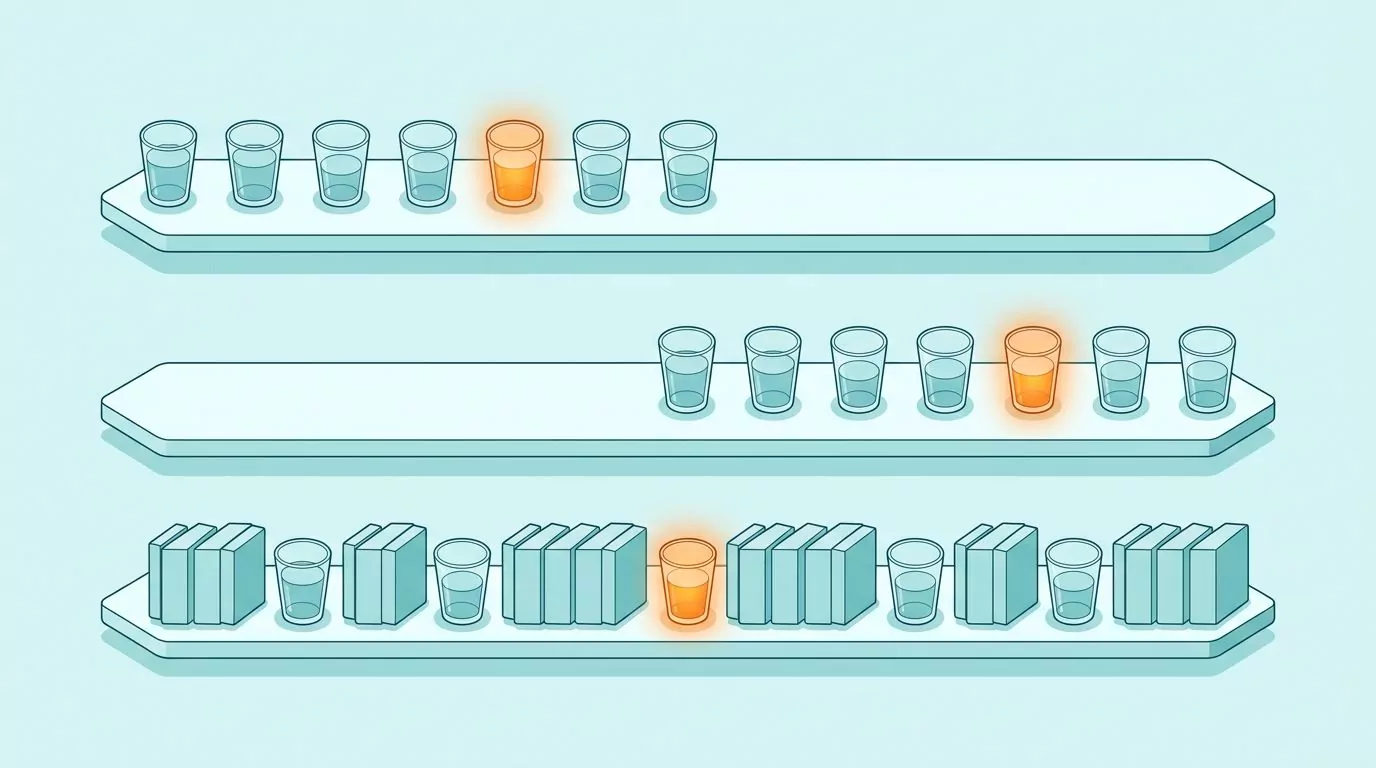
Night shifts. Keep the slot order but anchor it to when you wake, not to the clock. "On waking" might be 4pm, "lunch" is your mid-shift meal, and the cut-off comes before your daytime sleep.
Hot days. Heat raises what you lose through sweat, so use the top of each range. The hot weather hydration guide has more on adjusting for the season.
Travel. Flights and long drives scramble the clock. Carry a bottle, keep a drink with each meal, and use the evening slot to top up rather than to catch up.
Turning the table into reminders on your phone
Some people like the plan on paper, and the Printable Water Tracker covers that. For the desk, there is the Online Water Reminder. Either way, a plan only helps if something nudges you at the right moment, which is the idea behind how to remember to drink water.
Water Goose suggests a starting goal from your age, height, weight and gender, and you can set your own instead. Reminders are optional: you choose your active hours and how often, allow notifications, and they are scheduled locally on your device.
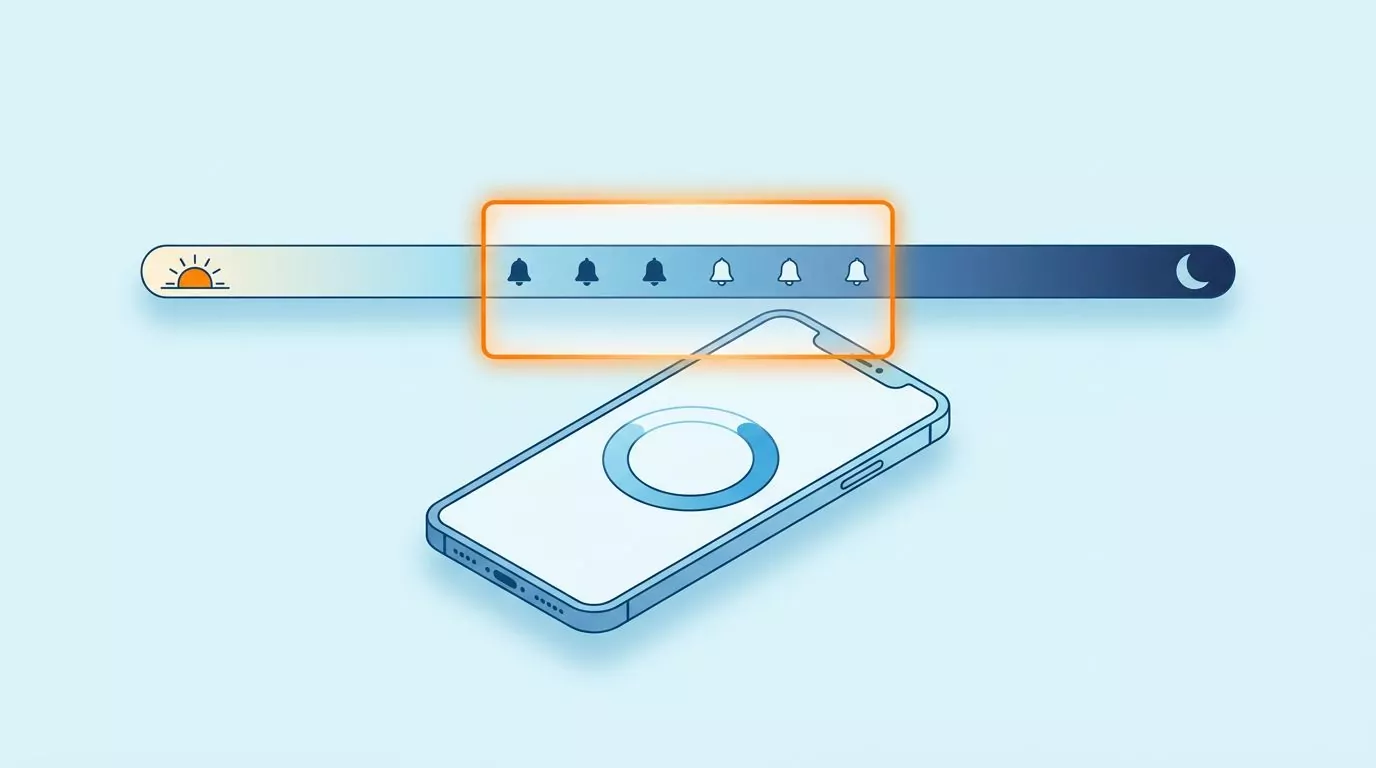
The natural setup is active hours that start at your waking slot and end at your cut-off.
Log coffee, tea and soup as well as water. The ring fills through the day, and the history calendar shows daily totals, goal completion and streaks, so you can see whether the pattern holds. Your data stays on the device, with no account needed.
Frequently Asked Questions
Should you drink water every hour?
You can, but you do not have to: a drink every couple of waking hours, sized so the day adds up to your own goal, is a sensible pattern, not a rule. An hourly water drinking schedule suits some people and annoys others. What matters more is that drinks are spread across the day instead of saved for the evening.
Should you drink water before or after coffee?
The order matters very little. A simple habit is to pour a glass of water at the same time as the coffee, so both happen together. If water first means it never happens, drink it second, since both routes count toward the same daily total.
How much water should you drink at work?
There is no fixed number. Take the share of your own daily goal that falls inside working hours (for a 9 to 5 day, often around half) and spread it across the daytime slots. The Water Intake Calculator can give you a starting goal.
Is it better to drink water before meals or with them?
Either is fine for everyday hydration. Drinking water before meals and drinking water with meals both count the same. The useful detail is that lunch is one of the meals where people drink the least plain water, so a glass with lunch is an easy one to add.
Does the time of day you drink water matter?
Mostly in two ways: spreading drinks out avoids a big evening catch-up, and tapering before bed makes a night-time bathroom trip less likely. Beyond that, there is little evidence that one hour beats another. Your total across the day matters far more than the exact minute.
What is the best time to drink water?
The best time to drink water is when you are thirsty, plus a few fixed moments you will actually remember: on waking, with meals, and in the afternoon. Everyday drinks like coffee, tea and milk count too, and this hydration data for common drinks compares 13 of them with water.
This article is general wellness information, not medical advice. If you have a health condition or take medication that affects how much you should drink, ask a healthcare professional.
If you want the time table to live on your phone, Water Goose is available on the App Store for iPhone.