How to Stay Awake in Class: Quiet Fixes for the Afternoon Lecture
To stay awake in class, change something physical first: sit up at the front edge of your chair, take a few sips of cold water, switch to handwritten notes and ask a question. Those buy you a lecture. What keeps you awake all term is enough sleep, a lighter lunch and caffeine that stops early enough to protect tonight.
This guide to how to stay awake in class sorts the fixes by when you can use them: in your seat, between classes, and before tomorrow. If you are reading this mid-lecture and wondering how to not fall asleep in class before the slides run out, skip straight to the in-seat list. Everyone else, start with the causes, because the right fix depends on why you are fading.
Why you fall asleep in class
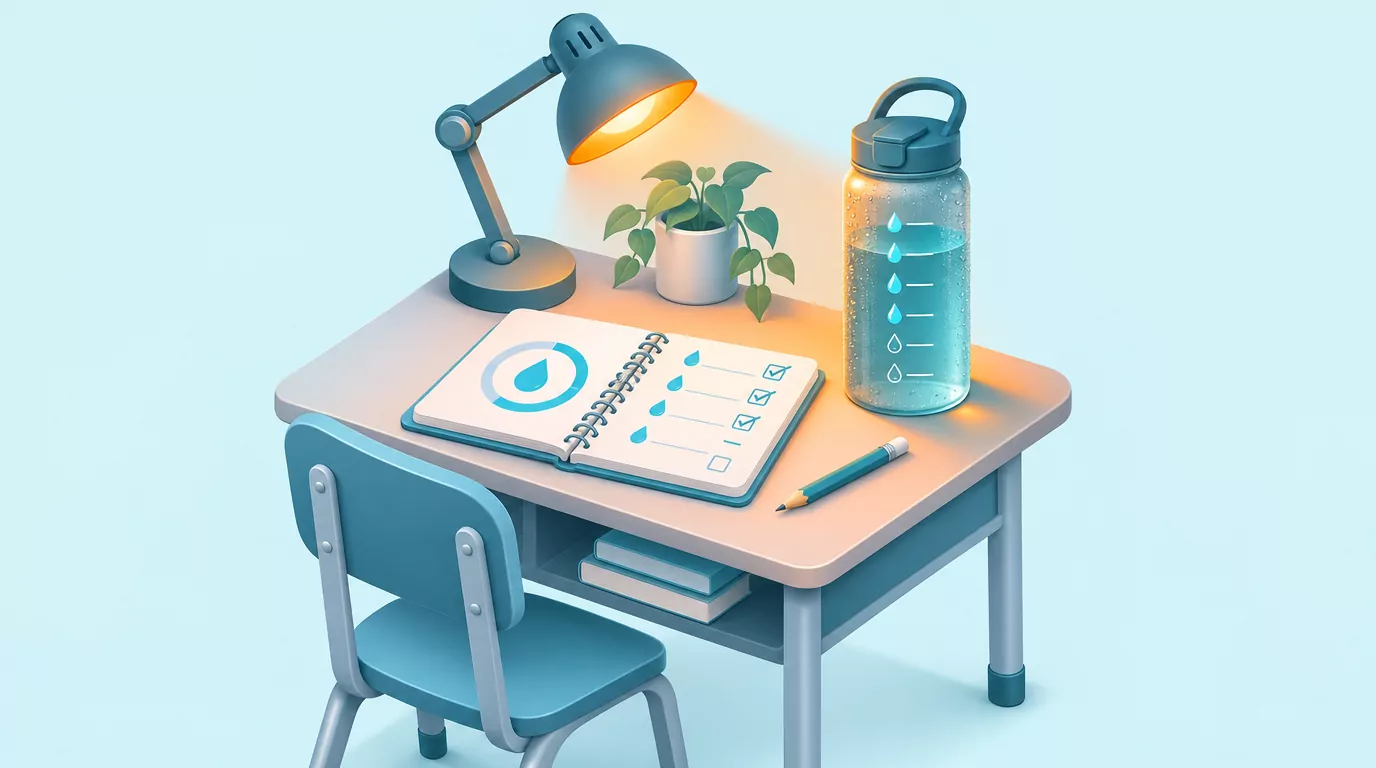
Falling asleep in class is mostly a sleep problem, not a willpower problem. The National Heart, Lung, and Blood Institute says teens aged 13 to 18 need 8 to 10 hours a night, and adults need 7 to 9. Plenty of students run short all week, and a lecture is where the debt shows up.
On top of that, your body clock makes a nap feel most tempting in the middle of the afternoon, as the Sleep Foundation's guide to circadian rhythm explains. Add a warm room, a big lunch and an hour of sitting still while someone else talks, and the pull gets strong. Nothing on this page replaces sleep, but the table helps you pick the right fix for the day you are having.
| What is going on | What it feels like | Where to start |
|---|---|---|
| Short nights all week | Heavy eyes from the first class, every day | Sleep, the first fix in the causes section below |
| The mid-afternoon dip | Fine in the morning, fading after lunch | A lighter lunch and a walk between classes |
| A warm, stuffy room | Drowsy in one particular lecture hall | Lose a layer, sit nearer the door or a window |
| Listening passively for an hour | Fine in seminars, gone in long lectures | Handwritten notes and a question |
| Caffeine wearing off | A crash a few hours after a coffee | Caffeine timing and a cut-off |
| Running low on fluids | Dry mouth, last drink was breakfast | A bottle on the desk |
How to stay awake in class without leaving your seat
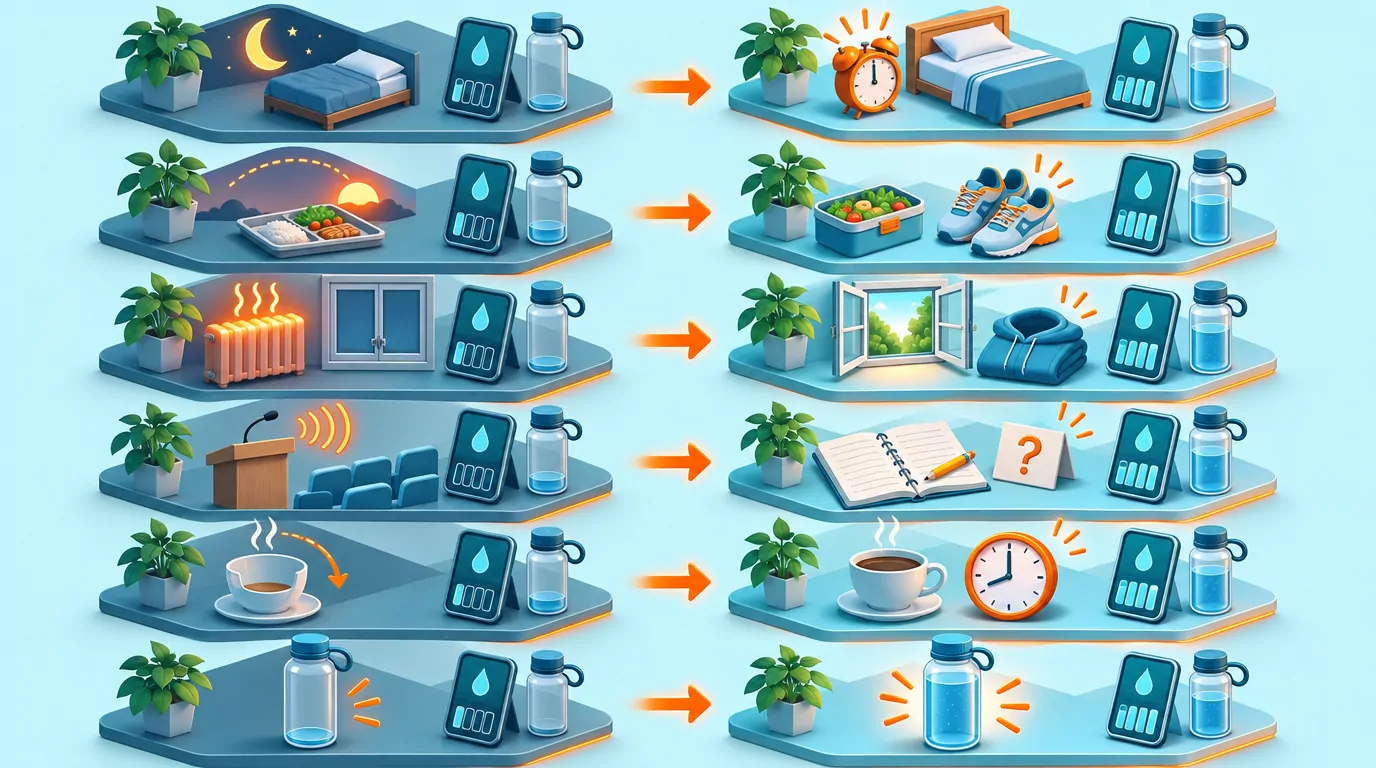
These work quietly from your seat, and most of them cost nothing. Pick two or three and keep them going for the whole lecture.
Sit where the lecturer can see you
Choose the front or centre rows, away from the back corner. The Sleep Foundation's advice for students lists sitting near the front. When someone can see your face, staying engaged takes less effort, and there is no back row to sink into.

Reset your posture every time the slide changes
Move to the front edge of the chair, put both feet flat and pull your shoulders back. Posture slips every few minutes, so tie the reset to something that repeats, such as a new slide. Slumping low in a soft seat is how a lecture turns into a nap.
Keep a cold bottle on the desk and sip
A few sips of cold water are a small jolt to the senses, and they give your hands something to do. The cold-water effect is mostly anecdotal and short-lived, though. The steadier reason to keep drinking is in the causes section below, and keeping the bottle in sight is what makes the sipping happen at all.
Take notes by hand, in your own words
Summing up a point as you hear it forces you to process it, which is hard to do while drifting off. Diagrams, arrows and margin notes that follow the argument all count. Copying the slides word for word does not, because your brain can coast through it.
Ask a question, or write one down
Raising your hand commits you to the next few minutes, since you now have to listen to the answer. If speaking up is not your style, write one question in the margin every ten minutes and ask it after class.
Move where nobody notices
Press your feet into the floor, squeeze a fist for a few seconds, give the back of your hand a quick pinch, roll your shoulders or wiggle your toes inside your shoes. Small, silent movement wakes you up a little without bothering the person next to you.
Chew gum if the class allows it
A 2015 systematic review of chewing and attention found chewing linked to better sustained attention in many of the studies it covered. Results varied with how long people had been on the task, and in some studies the effect looked short-lived. Treat gum as a top-up rather than a fix, and check the class rules first.
Lose a layer in a warm room
Heated lecture halls in winter are drowsy places. Take the hoodie off, and next time sit nearer the door or a window where the air is cooler. That same dry heated air also takes a little extra moisture from your breath and skin, as the guide to hydration in cold weather explains.
Between classes: daylight, a short walk and a refill
The gap between classes is your best chance to reset. Step outside for five minutes if you can, since the Sleep Foundation notes that sunlight during breaks helps keep your body clock on track. Take the long way to the next room, refill the bottle on the way, and splash cold water on your face or wrists if you need a sharper reset.
If you have a free period, a short nap can help, so set an alarm before you close your eyes. The Sleep Foundation's tips on staying awake suggest keeping naps to about 20 minutes and not napping too late in the afternoon, or it costs you tonight. Waking up can feel groggy for a while (this is called sleep inertia, and it usually fades within an hour), so nap early in the gap, not two minutes before class.
Fix the causes before the next lecture
In-seat fixes are a patch. These decide how tomorrow's 2 p.m. class feels.
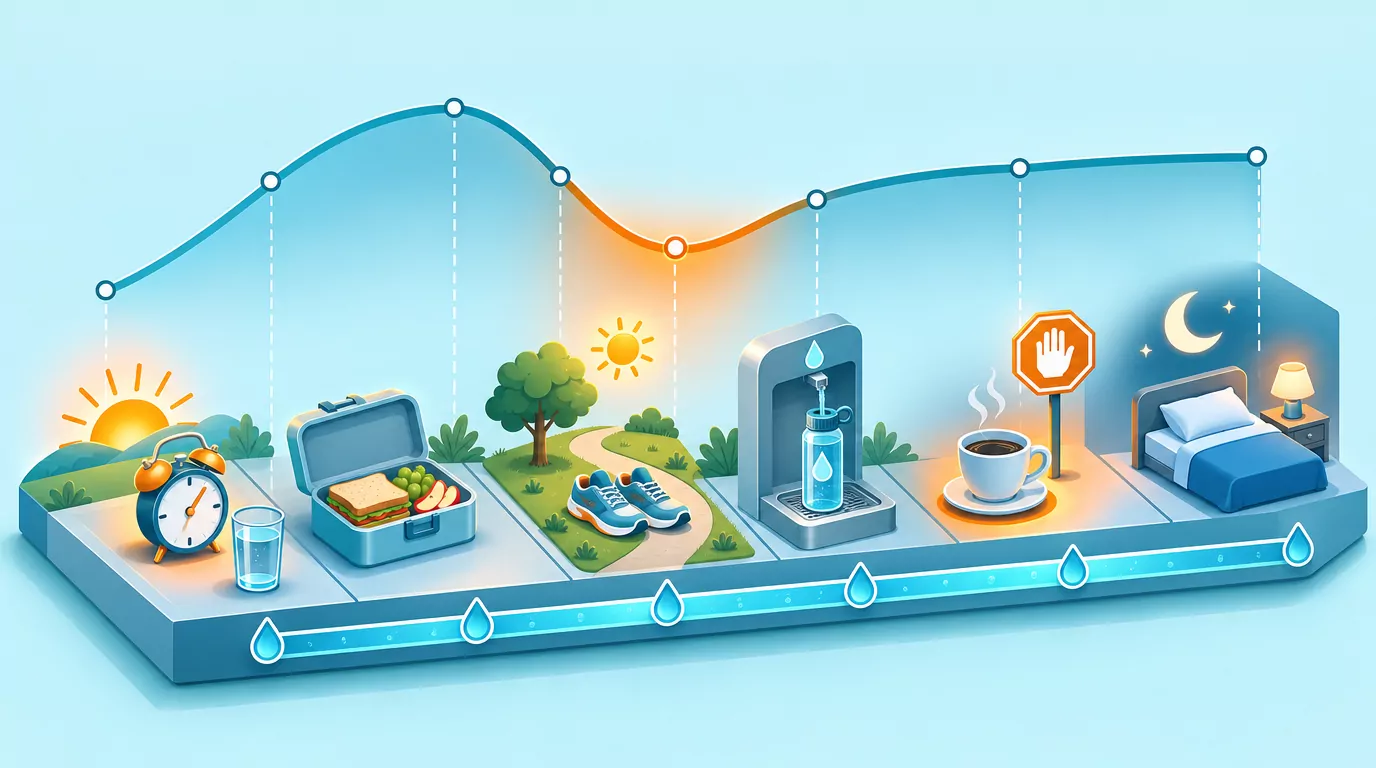
Sleep is the fix nothing else replaces
- Work back from your first class. Fix a wake time and subtract the sleep you need. Up at 7:00 a.m. means lights out by 11:00 p.m. for 8 hours, or 10:00 p.m. for 9.
- Keep that wake time at weekends too. It is the most useful single habit, because it anchors your body clock.
- Put the phone and laptop away near bedtime. Wind down with something calm instead, as the Sleep Foundation's student tips suggest.
- Give caffeine a cut-off. The caffeine section below shows how.
Eat breakfast, and keep lunch light before an afternoon class
Teens skip breakfast more than any other meal, the Sleep Foundation notes. Eating before school helps prevent a dip in morning classes.
The afternoon dip happens anyway, and a huge lunch right before a lecture does not help. Eat a normal-sized lunch and pack a snack to eat just before the class you usually fade in, which the Sleep Foundation also suggests.
Make it yogurt or fruit, not something sugary: the same page calls sugar's energy boost a myth. A banana in the bag beats a second plate at noon.
Time your caffeine and give it a cut-off
If you are an adult who drinks coffee or tea, have it before the class you struggle with rather than halfway through. Then stop early. In a small 2013 study of 12 healthy sleepers at home, a 400 mg test dose taken 6 hours before bed still cut objectively measured sleep by more than an hour compared with a placebo.
That lost hour is tomorrow's slump. The free caffeine calculator works out a personal cut-off from your drinks and your bedtime, and coffee and tea still count toward your fluids. Experts discourage caffeine for children and teens, so high school readers should lean on the caffeine-free fixes.
Drink steadily, not all at once
Mild dehydration can affect concentration, alertness and short-term memory, though the research on water and the brain is mixed. Sips spread across the day beat a litre gulped at lunch, which mostly sends you to the bathroom mid-lecture.
For a rough daily target, try the water intake calculator, and for a quick check, use the urine colour chart. Water will not cancel a short night, though. It removes one cause of feeling flat, nothing more.
How to stay awake while studying
Late study sessions have their own traps, mostly a bed, a dim room and a phone. Work at a desk or table, never in bed, and keep the light bright. A bed is built for sleep, and it will remind you.
Study in timed blocks, and between them stand up, refill your bottle and move for a minute or two. On a laptop, the free water reminder runs in a browser tab: set it to 45 or 60 minutes and each reminder marks the end of a block. Put the phone in your bag or cut down your notifications, since every buzz pulls you out of focus.
When rereading starts to blur, switch to testing yourself. Cover your notes and explain the topic out loud, as if you were teaching it. It is hard to doze off mid-sentence.

Set a stopping time before you start. A late night of studying borrows from tomorrow's lecture, and the bill arrives at 2 p.m. To build these breaks into a routine, habit stacking shows how to attach them to things you already do.
The same fixes at a desk
Out of school and fading at a desk at 3 p.m.? Most of this carries over.
- Stand up for calls, or take them on a short walk.
- Walk to the farther water point or kitchen, not the nearest one.
- Keep a bottle in view instead of in your bag.
- Get some daylight at lunch, even ten minutes.
- Use the same caffeine cut-off, worked out for your own bedtime.
The drink water time table has an afternoon-slump slot built around one idea: water before the third coffee.
Frequently Asked Questions
How do I force myself to stay awake in class right now?
Run a quick sequence. Move to the front edge of your chair and sit tall, take a few cold sips, write down one question, and squeeze your fists under the desk for a few seconds. If that fails, step out to the restroom and splash cold water on your face, or stand at the back of the room if your lecturer allows it. At the next break, step outside for a few minutes of daylight.
Can I get through school on 3 hours of sleep?
You may get through the day, but it will be harder. The NHLBI notes that sleep deficiency interferes with school and driving, and the Sleep Foundation says a single all-nighter can affect your thinking and judgment. If you do sleep for an hour or two, set an alarm and expect some grogginess on waking, which can last longer when you are short on sleep.
Do not drive while drowsy, because drowsy driving is a real risk: get a lift or take the bus. That night, go to bed at your usual time rather than taking a long, late nap.
Does cold water wake you up?
A cold drink or a splash on the face gives a short jolt. Water has no stimulant, so the lift is brief: pair each sip with a posture reset or a question. If you are wondering about water at bedtime instead, see the guide to drinking water at night.
Why do I fall asleep in class even when I get enough sleep?
The afternoon dip, a warm room, sitting still and listening passively can make anyone drowsy. "Enough" may also be less than you need, since teens need 8 to 10 hours, not 7. If you still nod off after a week of full nights, or fall asleep without warning, talk to a doctor or your campus health service.
How can I stay awake in class without caffeine?
Almost everything in this guide works without it. In your seat, lean on posture, handwritten notes and gum. Between classes, use daylight, a walk and a short early nap. Before tomorrow, keep a fixed wake time.
The short version
Fix something physical in your seat, and reset between classes with daylight and a refill. Then protect your sleep and your caffeine cut-off, so the next lecture starts easier. This is general wellness information, not medical advice.
If keeping count of the bottle is the part you skip, Water Goose does the counting. Choose a drink, swipe to the amount and tap one clear button, and the today ring fills as you go, with coffee, tea and other drinks counting toward the total. The history calendar shows daily totals and goal completion, and entries are stored locally on your device, no account needed.
Water Goose is free to download and look around. Saving drinks, editing your history and changing your goal, units or quick-add amounts need Water Goose Plus, sold as a monthly subscription or a one-time purchase.
Water Goose is on the App Store for iPhone and on Google Play for Android.