How Many Oz in a Glass of Water? 8 by Convention, but Measure Yours
The standard answer to how many oz in a glass of water is 8 fluid ounces, about 240 ml, which is the same as one US cup. Real glasses typically hold 6 to 16 oz, so 8 is a convention, not a measurement of the glass in your cupboard.
This guide ends with how to measure your own glass once and log that real number instead of 8.
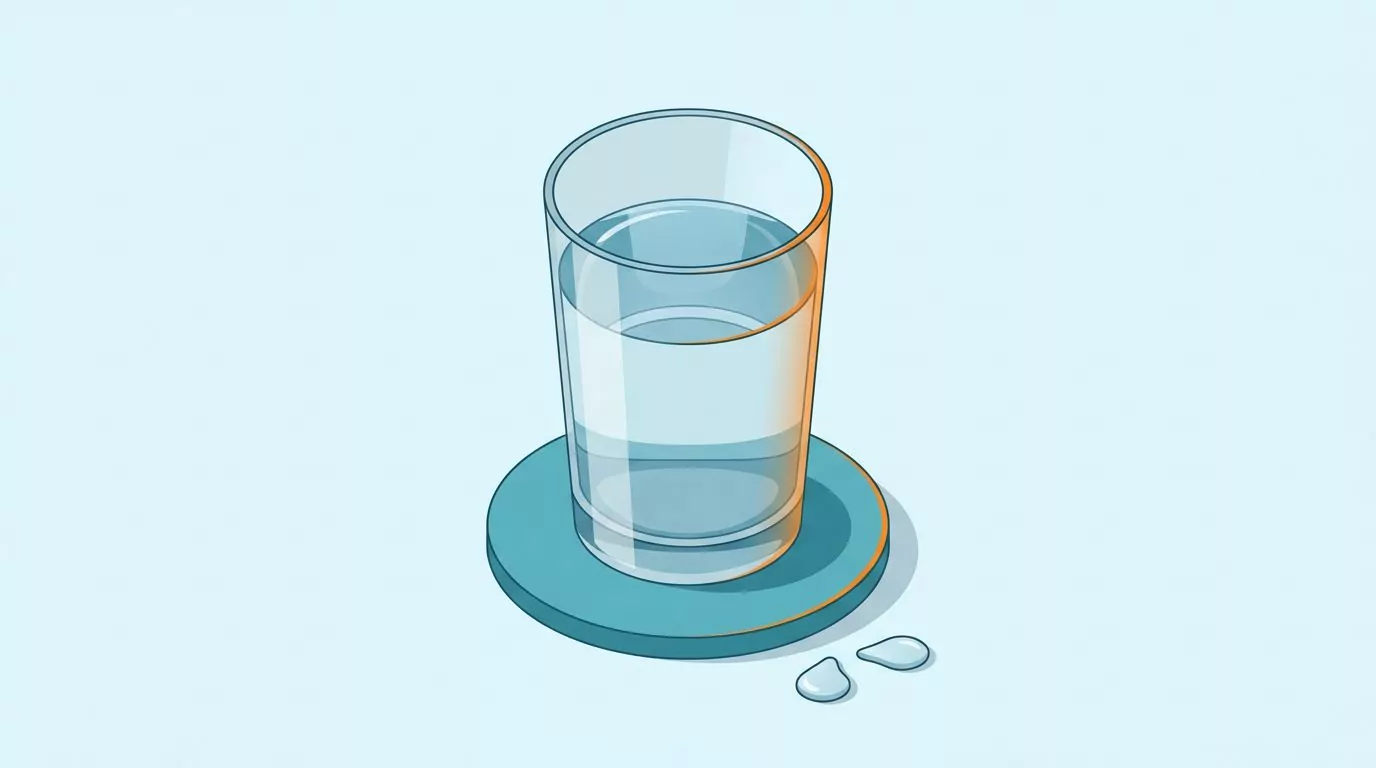
How many oz in a glass of water, and why the answer is 8
"A glass" is not a unit anyone regulates. When people say it, they are borrowing the US cup, and a US cup is 8 fluid ounces. The exact figure is 237 ml, which recipes and labels usually round up to 240 ml.
The NIGMS guide to kitchen measurements lists 1 cup as 8 ounces or 240 milliliters. US health sources lean on the same shortcut. When an intake figure is given in cups or glasses, each one is assumed to be 8 oz.
That is where the famous 8 x 8 habit comes from: eight glasses of 8 oz each, which adds up to 64 oz, or about 1.9 liters a day. The rule has a shakier history than its fame suggests, and the 8 glasses of water a day rule has its own write-up if you want the backstory.
The fluid ounce vs weight ounce trap
There are two kinds of ounce, and they measure different things. A fluid ounce measures volume, meaning how much space a liquid takes up. A regular ounce measures weight.
The NIST Metric Kitchen table keeps them apart: 1 fluid ounce is about 30 ml, while 1 ounce by weight is about 28 grams. For water the two land close together, but not on top of each other. A glass of 8 fl oz of water weighs about 8.3 oz on a kitchen scale.
So when this article says "oz", it means fluid ounces. That is also what a water bottle label or a measuring jug shows.
How many ounces real glasses actually hold
The 8 oz glass lives in sentences, not in kitchen cupboards. A small juice glass may hold around 6 oz. An everyday tumbler often holds more than 8, and a tall glass or a pint glass can reach 16 oz.
There is a second gap between the label and reality: the fill line. Many people leave a finger of space at the top so the glass does not spill. That means a glass rarely delivers its full stated capacity, and ice takes up even more room.
Neither of these is a problem on its own. They only matter when you count glasses and assume each one is 8 oz. The honest fix is to measure the glass you use most, rather than guess.
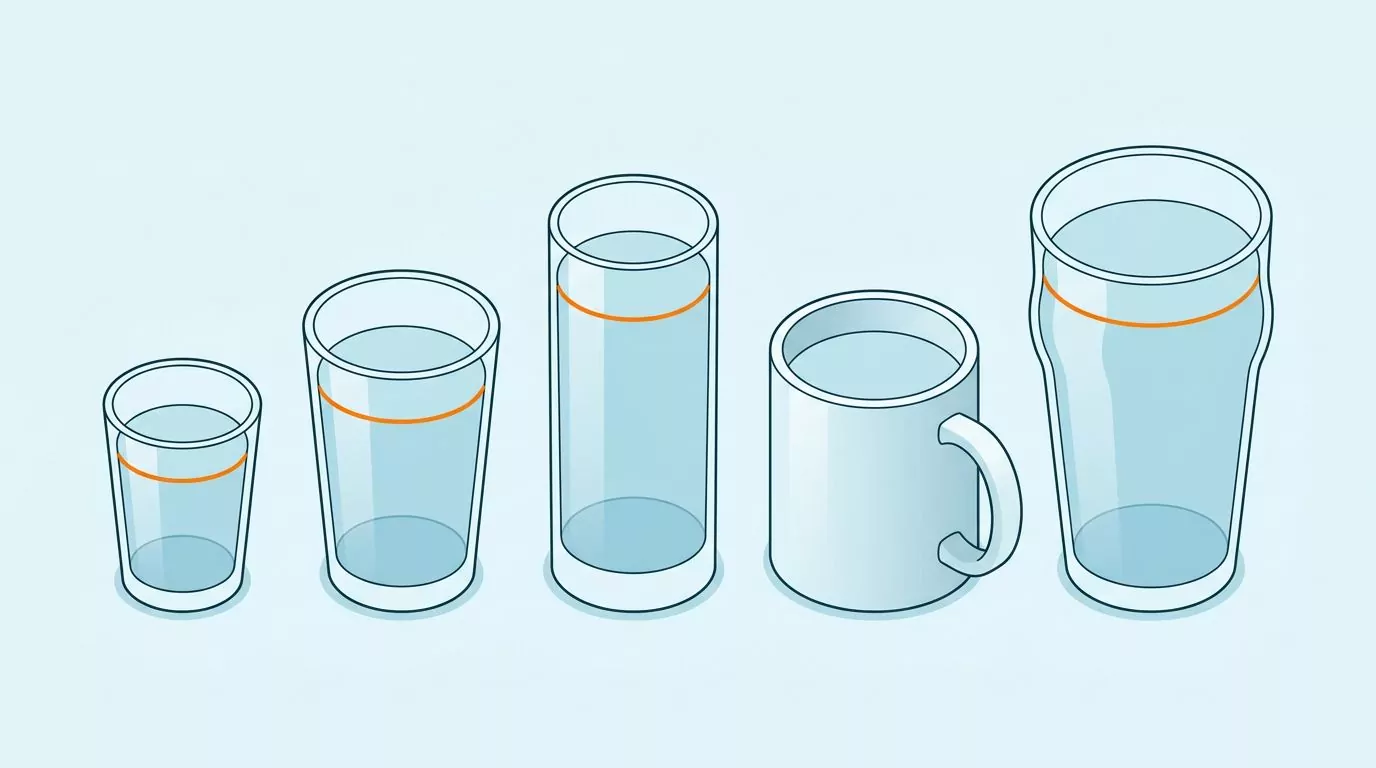
Common glasses, mugs and bottles in oz and ml
Here is a quick reference for the vessels you are most likely to drink from. The last column shows how many standard 8 oz glasses each one equals.
| Vessel | fl oz | ml | 8 oz glasses |
|---|---|---|---|
| Small glass | 6 | 177 | 0.75 |
| Standard glass | 8 | 237 | 1 |
| Tall glass | 12 to 16 | 355 to 473 | 1.5 to 2 |
| Mug | 8 to 12 | 237 to 355 | 1 to 1.5 |
| Pint glass (US) | 16 | 473 | 2 |
| 12 oz can | 12 | 355 | 1.5 |
| 500 ml bottle | 16.9 | 500 | 2.1 |
| 750 ml bottle | 25.4 | 750 | 3.2 |
| 1 L bottle | 33.8 | 1,000 | 4.2 |
| 32 oz bottle | 32 | 946 | 4 |
The glass and mug rows are typical sizes, not fixed ones, so your own may differ. The bottle and can rows are straight conversions of the size printed on the label.
Ounces, milliliters and cups: quick conversions
If you only need the numbers, here they are:
- 1 fl oz = 29.57 ml
- 8 fl oz (one cup or one standard glass) = 237 ml, often rounded to 240 ml
- 16 fl oz (a US pint) = 473 ml
- 500 ml = 16.9 fl oz
- 1 liter = 33.8 fl oz
For quick oz to ml math with water, multiply ounces by 30. Going the other way, divide milliliters by 30. The first shortcut runs slightly high and the second slightly low, but both are close enough for a glass.
Two local twists are worth knowing. A UK fluid ounce is a little smaller, at 28.41 ml, so older British recipes do not match US ones exactly. In countries that use metric, a glass of water usually means 200 to 250 ml, and a metric cup is 250 ml.
How many glasses is your daily goal, really?
Goals come in liters, ounces or glasses, depending on who set them. Converting between them is easy once you pick a glass size. Here are a few worked examples with a standard 8 oz glass:
- A 2 liter goal is 67.6 oz. That is about 8.5 glasses, or four 500 ml bottles.
- A 64 oz goal is eight standard glasses, or just four pint glasses.
- A 750 ml bottle is 25.4 oz, which is roughly three glasses.
The Harvard Nutrition Source cites National Academy of Medicine guidance of about 13 cups of drinks a day for healthy men and 9 cups for healthy women, as a general guide rather than a daily target. In ounces, that is 104 and 72. In standard glasses, it is the same 13 and 9, because a cup and a glass share the 8 oz convention.
Body size, activity and weather all move the number, which is why hydration in hot weather needs a little more thought.
The Water Intake Calculator is a good next stop. Bigger is not automatically better, either, as the guide to how much water is too much explains.
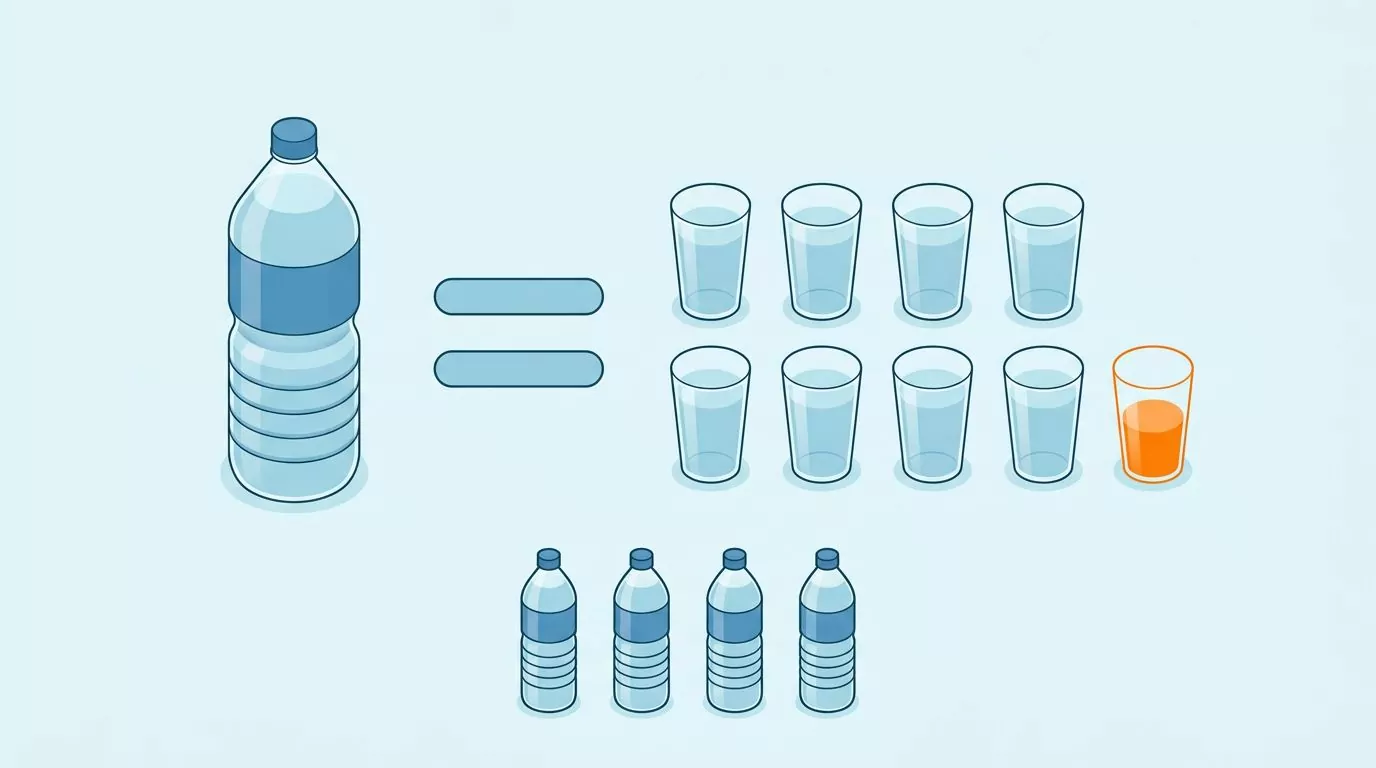
Notice what every example above assumes. Each one treats a glass as exactly 8 oz. That is the very assumption the next two sections remove.
How to measure your own glass once
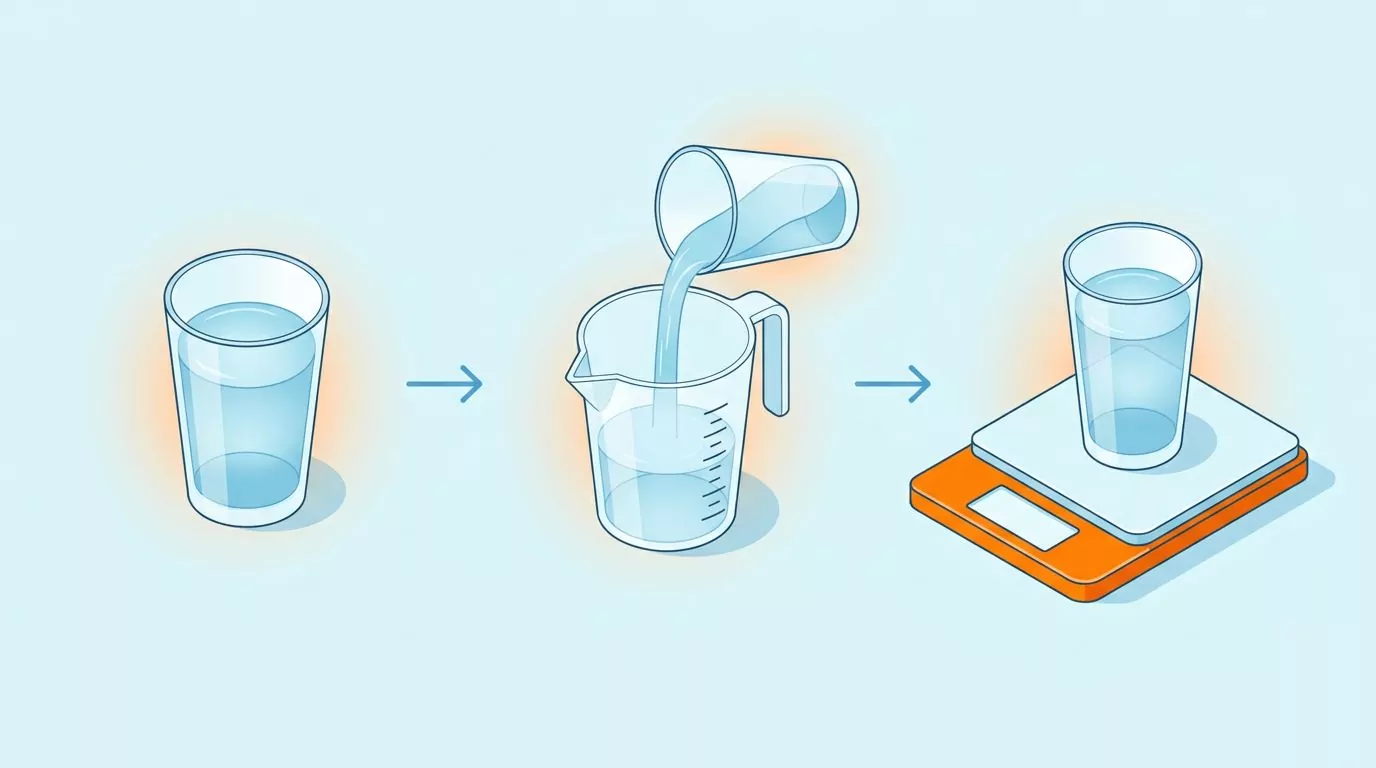
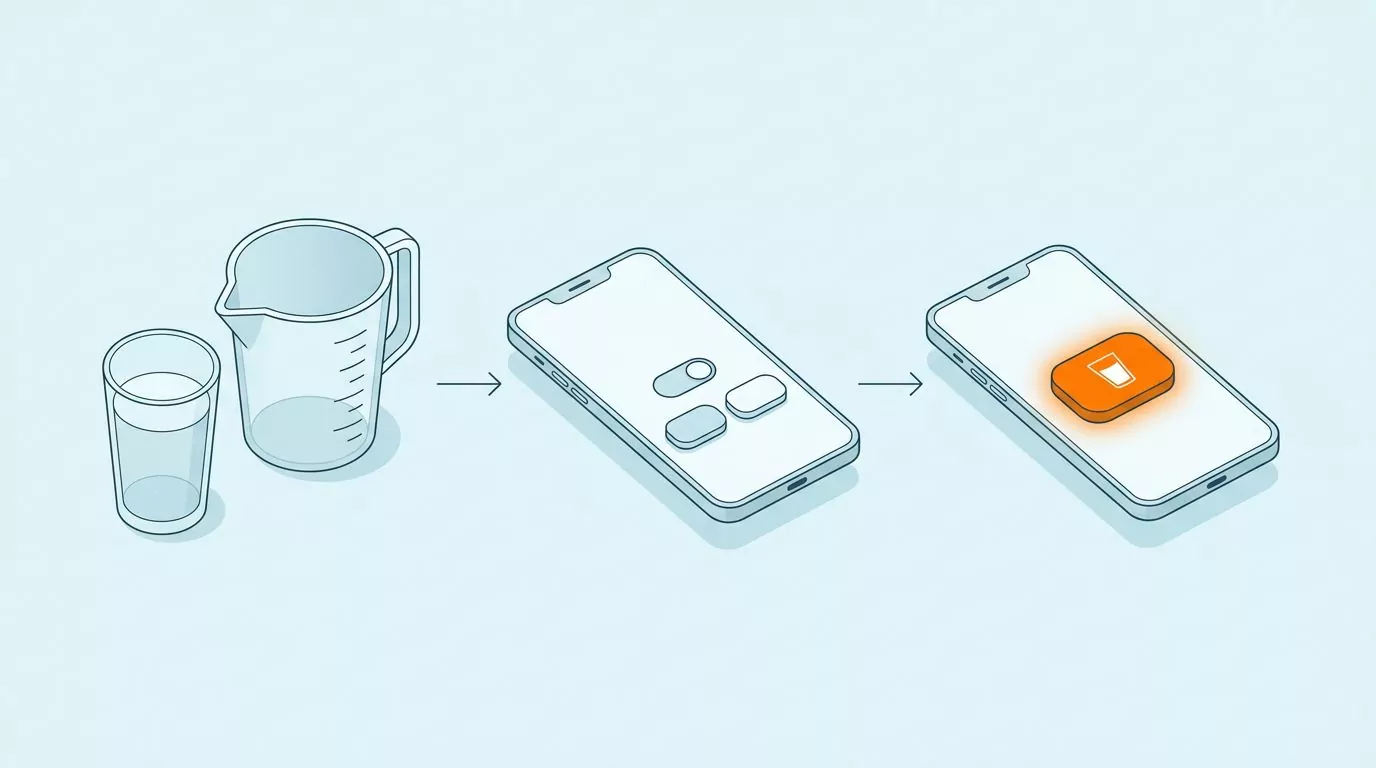
You do not need special tools. A measuring jug or a kitchen scale will do, and the whole job takes about a minute.
- Fill your usual glass the way you normally do. Use the same level you would drink from, with the usual space at the top.
- Pour it into a measuring jug, or weigh it. To weigh it, set the empty glass on a kitchen scale, zero the scale, then fill it. As NIGMS notes, 1 ml of water weighs about 1 gram, so 300 grams means 300 ml.
- Write down the number. Note it in ml or fl oz, whichever you prefer to think in.
You only do this once. From then on, that number is the amount you log. While the jug is out, measure your favorite mug and your water bottle too, especially if you drink a big glass first thing in the morning.
Make your real glass the one you log in Water Goose
Measuring your glass is only useful if the number sticks. Otherwise you are back to rounding every glass to 8 and hoping it evens out. Here is how to turn the measurement into a one-time setup:
- Measure your usual glass once. Use the three steps above. Say it comes to 350 ml, which is just under 12 fl oz.
- Choose ml or fl oz in Water Goose. The app works in metric or US units and keeps the display consistent throughout, so you never convert in your head.
- Save that number as a custom amount. Your usual glass is then ready whenever you log, so you pick the drink, choose your amount and confirm, and you can stop rounding to 8. Water Goose is free to download; saving drinks and your history need Water Goose Plus, a monthly subscription or a one-time purchase.
The same idea works for everything else you drink. Drink presets mean a mug of tea logs as tea, and a morning cup logs as coffee. Both count, as the guides on whether coffee counts towards water intake and whether tea counts as water intake explain.
Sparkling water, juice, milk and soup have presets too. For how those drinks compare, see The Most Hydrating Drinks, Measured Against Water.
Your entries and custom amounts stay on your device, and no account is needed. The calendar-like history then shows daily totals and how often you met your goal, based on the glass you really drink from.
The goose, for the record, has no opinion on the size of your glass. It just wants the number to be true.
Frequently Asked Questions
Is a glass of water the same as a cup of water?
By convention, yes. Both mean 8 fluid ounces, or about 240 ml. In practice, many drinking glasses hold more than a measuring cup, so a glass from your cupboard is often bigger than a cup.
How many ml is a glass of water?
A standard US glass is 237 ml, usually rounded to 240 ml. In metric countries, a glass of water is often described as 200 to 250 ml. Your own glass may hold more, so measure it once to be sure.
How big is a standard glass of water?
The standard glass of water size is 8 fl oz, which matches one US cup. Real glasses range from about 6 oz for a juice glass to 16 oz for a pint glass.
How many oz is 8 glasses of water?
Eight glasses of 8 oz each come to 64 fl oz. That is about 1.9 liters, or four US pint glasses.
How many ounces are in a water bottle?
It depends on the bottle. The table above covers the common sizes: a 500 ml bottle is 16.9 oz, 750 ml is 25.4 oz, 1 liter is 33.8 oz, and a 32 oz bottle is 946 ml. For anything further, see How Many Water Bottles Are in a Gallon.
What counts as a full glass of water?
By convention, a full glass of water is about 8 oz, or 240 ml. Since real glasses vary and few people fill to the brim, the only way to know your exact amount is to measure your own glass once.
The bottom line on glass sizes
A glass of water is 8 oz on paper and whatever your glass holds in real life. Measure it once, log that number, and your daily totals start to reflect what you actually drink.
This article is general wellness information, not medical advice.
If you would like your real glass to be the one you log, Water Goose is available for iPhone on the App Store. It is a calm, no-nonsense hydration tracker that keeps your history on your device.